What is Next-Generation Antivirus (NGAV)?
Next-Generation Antivirus (NGAV) offers advanced protection. Explore how NGAV differs from traditional antivirus solutions and its benefits.

Next-Generation Antivirus (NGAV) solutions enhance traditional antivirus capabilities by incorporating advanced threat detection technologies. This guide explores the features and benefits of NGAV, including behavioral analysis and machine learning.
Learn how NGAV can provide better protection against modern threats and the importance of continuous monitoring. Understanding NGAV is essential for organizations looking to strengthen their cybersecurity defenses. This guide outlines how next-generation antivirus differs from traditional antivirus solutions, and why CISOs and business leaders are moving away from the obsolete model of legacy AV and choosing more effective solutions like next-generation antivirus (NGAV).
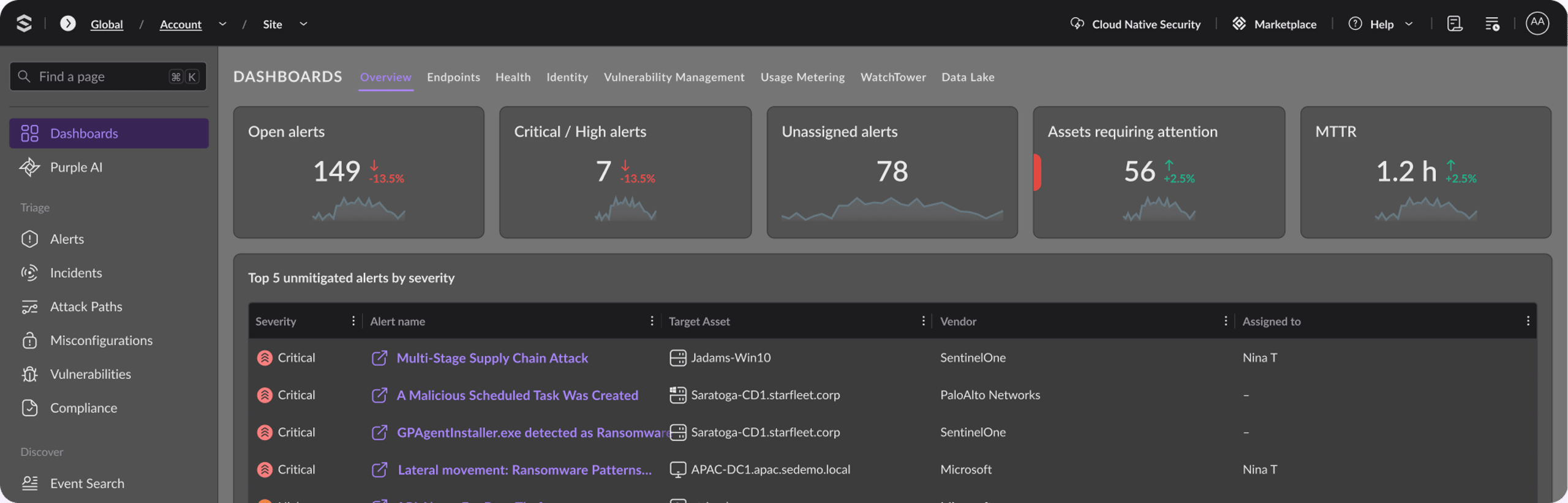
 What Is Next-Generation Antivirus?
In contrast to legacy antivirus technology, next-generation antivirus (NGAV) advances threat detection by finding all symptoms of malicious behavior rather than focusing on looking only for known malware file attributes.
Traditional antivirus software, while sometimes effective, doesn’t track and inspect a potential virus. Instead, traditional AVs use signature-based detection methods, which threat actors learned, how to evade a long time ago.
To combat evolving cyberattacks, next-gen antivirus (next-gen AV) employs machine learning and predictive modeling techniques to establish predictive analytics that identify malware and malicious behavior before it has the chance to compromise your security protocols.
How Next-Gen Antivirus Works
Next-gen AV uses a combination of artificial intelligence, behavioral detection, and machine learning algorithms to identify threats. NGAV is cloud-based and doesn’t require integration into organizations’ tech stacks, which simplifies deployment and management while maintaining to-the-minute updates that combat the quickly evolving techniques and tools employed by hackers, scammers, and other types of cybercriminals.

Report
Leading the Way in Endpoint Security
See why SentinelOne has been named a Leader four years in a row in the Gartner® Magic Quadrant™ for Endpoint Protection Platforms.

Next-Gen AV vs. Legacy AV
Unlike traditional AV, next-generation AV (NGAV) identifies malicious activity using a system-centered, technical approach that examines every process on an endpoint. This allows next-gen AV to proactively detect and block hackers’ tools and tactics to gain entry. While traditional AV is focused on detecting malware at the endpoint alone, NGAV addresses many modern threat scenarios, including ransomware and fileless attacks.
Next-gen AV offers a more effective means of recognizing and deterring unknown malware and sophisticated attacks by looking at the whole context rather than just isolated incidents. This rich contextual information allows NGAV to understand the cause of the attack and thus prevent future ones. Rapid deployment and cloud access are also key features of next-gen AV.
Overall, next-gen antivirus offers increased endpoint detection, better response capabilities, and a greater number of preventative measures. In many cases, it can entirely replace traditional endpoint security products.
Focus On Behavior, Not Identity
The key is to prevent anything that can be prevented pre-execution and to deal with what cannot by looking at the behavior of processes executing on the endpoint. This is effective because they operate similarly despite the large and increasing number of malware variants. The number of malware behaviors is considerably smaller than the number of ways a malicious file might look, making this approach suitable for prevention and detection.
What to Look for in an NGAV Solution
1. EDR Capabilities
When considering a NGAV solution, look for endpoint detection and response (EDR) capabilities that utilize AI and machine learning to provide real-time detection and prevention to complex threats.
2. Local and Autonomous
Look for an NGAV solution that is local and autonomous, meaning it works equally well with or without a network connection. In other words, the agent is not reliant upon cloud connectivity to the EPP/EDR management console for protection against malware, ransomware, and zero-day attacks.
3. Threat Intelligence Integration
Finally, look for NGAV solutions that integrate threat intelligence. Integrated threat intelligence enables security teams to immediately assess threats’ impact, severity, and origins and receive guidance for response and remediation.
The Benefits of Switching to NGAV
With more effective technologies now available, enterprise customers need to consider the following benefits of moving away from legacy AV:
1. Reduce Operational Costs
It is hard to measure the overall cost of running outdated technology that may make you vulnerable to cyber threats. NSS Labs is recognized globally as the most trusted source for independent, fact-based cybersecurity guidance. Every year, they conduct a comparative test with all endpoint security players. NSS Labs identified SentinelOne as having the best overall TCO over a three-year period.
2. Boost Protection
As mentioned before, as early as 2014 legacy AV leaders already openly admitted the limitations of their capabilities. Since then, adversaries have improved their malicious techniques, easily bypassing traditional security products with techniques like fileless malware and PowerShell exploits. Get ahead of the attackers and prevent advanced attacks with next-generation technology.
3. Save Time
Time is a major factor when it comes to your security. The entire concept of dwell time – the time from adversary penetration to detection or mitigation is on average at least 90 days. Meanwhile, your security experts are wasting valuable time collecting evidence of a breach. You want your security team to focus on what matters, not looking for a needle in a haystack.
4. Improve ROI
In the beginning, there was just AV. Then, another agent to cover advanced threats. Then an additional agent that can provide visibility. On top of that, another one to report applications from a vulnerability scan. And so it goes on. More agents running in parallel on your endpoint means more performance impact. With a next-gen AV solution like SentinelOne, you can block malware, respond to threats, and maintain compliance with just one solution.
5. Make the Software Work For You
A characteristic of legacy AV is that it requires highly-trained staff to operate and interpret. Where are all those alerts coming from and are they connected? Which ones are false positives, and why are people in Marketing complaining they can’t access their computers? SentinelOne’s next-gen AV takes the pain out of incident management. Attacks are automatically grouped together and a single alert identifies the threat and reveals the entire attack storyline, right back to the source.
6. Integrate Your Security Solutions
With the security industry experiencing a sharp cyberskills shortage, an endpoint security solution should integrate with your existing software stack and not create more work for your SOC team or IT administrators. In other words, you want an automated system with a set of rich, native APIs. SentinelOne’s Singularity™ Endpoint provides a full Rest API to support integration with your existing solutions.
7. Reduce Post-Breach Costs
There’s no such thing as the perfect security solution, but post-breach you want to be able to make sense of the attack quickly and easily. An easy-to-use management console that presents the entire attack storyline can help you to quickly close out vulnerabilities and even track down the individuals responsible. The faster you can put things to rights, the lower the financial impact on the enterprise.
Protect Your Endpoint
See how AI-powered endpoint security from SentinelOne can help you prevent, detect, and respond to cyber threats in real time.
Conclusion
Next-generation antivirus software works by mitigating emerging threats that bypass traditional antivirus solutions. They provide better protection and address all the challenges exhibited by legacy AV models. You can simplify deployment, management, and enhance your security posture by using these solutions. And their coverage is not limited to endpoints alone, meaning they can be to fight against ransomware, fileless attacks, and zero-days. SentinelOne’s EDR and XDR platforms give you all the defenses you need and adopt a holistic approach to cybersecurity. You get a unified console from where you get an overview of everything. The team is also very responsive and happy to help. You can contact them for assistance.
Next-Generation Antivirus FAQs
Next-Generation Antivirus is endpoint protection that moves beyond signature matching to find malicious behavior It uses artificial intelligence, machine learning models, and behavioral analysis to spot both known and never-seen threats.
NGAV watches file activity, process actions, and system calls in real time, then blocks or isolates anything that looks suspicious before it can harm the device.
Legacy antivirus relies on signature databases, matching file hashes or patterns to known malware. NGAV drops signatures in favor of continuous, behavior-based monitoring. It builds models of normal system activity, spots anomalies, and stops attacks even if no signature exists.
This shift means NGAV can halt fileless, zero-day, and polymorphic threats that evade traditional AV detection.
NGAV engines apply AI and machine learning to analyze code behavior before execution. They inspect memory injections, scripting engines like PowerShell, and unusual process chains.
By tracking patterns and comparing them to threat models, NGAV halts zero-day exploits and in-memory attacks that leave no disk artifacts. Fileless ransomware and scripts are stopped before they can spread or encrypt data.
Because NGAV is delivered via a lightweight, cloud-managed agent, organizations can install protection in hours. There’s no need for on-premises servers, signature updates, or extensive tuning. In contrast, deploying legacy AV often takes weeks or months for hardware setup, configuration, and rollout. NGAV’s fast deploy means you’re protected almost immediately.
NGAV agents are designed to run with minimal CPU, memory, and I/O overhead. Cloud-based analytics shift heavy processing off endpoints, and local sensors only flag suspicious events. Most NGAV solutions report under 5% CPU use during scans, and file opens remain as fast as with legacy AV. You gain real-time defense without noticeable slowdowns.
Many NGAV platforms include automated remediation steps: they kill malicious processes, quarantine files, and reverse harmful changes using local snapshots. If malware encrypts or deletes files, the agent can roll back endpoints to a clean state by restoring pre-attack copies. This cuts recovery time and removes the need to rebuild systems from backups.
NGAV works offline using on-agent AI models and locally cached threat intelligence. Core behavior rules and machine learning classifiers reside on the device, so endpoints stay protected when disconnected. Once the agent regains connectivity, it syncs events and updates its models from the cloud, ensuring defenses stay current even after offline periods.
SentinelOne’s NGAV embeds kernel-level sensors in its agent to track every process, thread, and file action. On-agent AI then evaluates behavior against threat models without sending data offsite.
If it spots ransomware or a fileless exploit, it kills the process, quarantines artifacts, and logs everything locally. This real-time, autonomous defense triggers in milliseconds, stopping attacks even without cloud access.
SentinelOne’s NGAV is built to replace legacy AV by covering signatureless and behavior-based threats, but it can run alongside existing antivirus for layered defense. You can turn off signature updates and let NGAV handle file threats while keeping legacy tools for endpoint inventory. Over time, many teams retire old AV, but coexistence is supported during migration.
Discover More About Endpoint Security


Endpoint Security that Stops Threats at Faster Speed and Greater Scale Than Humanly Possible.
One intelligent platform for superior visibility and enterprise-wide prevention, detection, and response across your attack surface, from endpoints and servers to mobile devices.