What is Cookie Logging?
Cookie logging captures sensitive session information. Learn how this technique works and explore strategies to protect your cookies.
Cookie logging is a technique used to capture session cookies and gain unauthorized access to accounts. This guide explores how cookie logging works, its implications for security, and strategies for prevention.
Learn about the importance of secure cookie handling and user awareness. Understanding cookie logging is essential for protecting personal and organizational data.
What is Cookie Logging?
Cookie logging is the process of capturing and storing HTTP cookies that are exchanged between a web server and a user’s browser. Cookies are small data files that contain information about a user’s activity on a website, such as login credentials, session IDs, historical actions, and more.
By capturing and logging these cookies, cybersecurity professionals can gain valuable insights into a user’s behavior and activity on a website. This information can be used to identify potential security threats or malicious activity, as well as to improve the overall user experience.
The Importance of Cookie Logging in Observability
Observability is the practice of collecting and analyzing data from various sources to gain a comprehensive understanding of a system’s behavior and performance. In the context of cybersecurity, observability plays a critical role in identifying and responding to potential threats.
Cookie logging is an essential component of observability in cybersecurity. By capturing and analyzing HTTP cookies, cybersecurity professionals can gain insights into a user’s behavior and activity on a website. This information can be used to detect and respond to potential threats, such as brute force attacks or account takeover attempts.
How Cookie Logging Works
Cookie logging intercepts and captures HTTP cookies between a web server and a user’s browser. This can be accomplished using various methods, including browser extensions, network sniffers, or custom scripts.
Once captured, the HTTP cookies are stored in a log file or database for further analysis. Cybersecurity professionals can use tools such as log parsers or data visualization software to analyze the data and gain insights into a user’s behavior on a website.
Best Practices for Cookie Logging
When implementing cookie logging in a cybersecurity strategy, it is essential to follow best practices to ensure the security and privacy of user data. Here are some best practices to keep in mind:
1. Only Capture and Store Cookies That are Necessary for Cybersecurity Analysis
It is essential to capture and store only the cookies that are necessary for cybersecurity analysis. This helps to reduce the risk of accidentally capturing sensitive user data that could be used maliciously.
2. Implement Secure Storage and Encryption Methods to Protect User Data
When storing captured cookies, it is critical to implement secure storage and encryption methods to protect user data. This helps to ensure that the data is not accessible to unauthorized personnel.
3. Use Access Controls to Restrict Access to the Cookie Logs to Authorized Personnel Only
Access controls should be implemented to restrict access to the cookie logs to authorized personnel only. This helps to prevent unauthorized access to sensitive user data.
4. Regularly Review and Audit the Cookie Logs to Ensure Compliance with Data Privacy Regulations
Regularly reviewing and auditing the cookie logs is critical to ensure compliance with data privacy regulations. This helps ensure that the organization meets legal requirements and protects user data appropriately.

Enhance Your Threat Intelligence
See how the SentinelOne threat-hunting service WatchTower can surface greater insights and help you outpace attacks.
How SentinelOne Can Assist
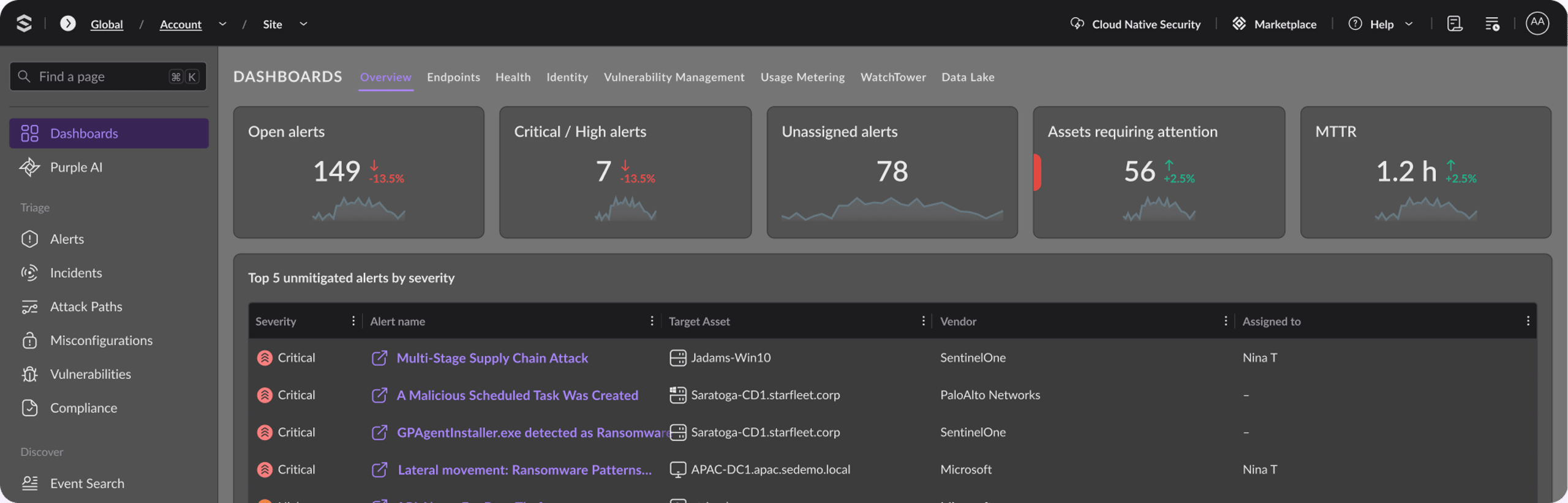
SentinelOne is a next-generation cybersecurity platform that provides real-time threat protection, visibility, and response capabilities to organizations of all sizes. With SentinelOne, organizations can leverage cutting-edge technologies such as AI and machine learning to detect and respond to threats quickly and effectively.
One of the key capabilities of SentinelOne is its ability to assist in implementing cookie logging as part of a comprehensive cybersecurity strategy. SentinelOne’s platform includes advanced threat detection capabilities to identify threats based on network traffic and user behavior. This allows organizations to capture and analyze cookies in real time, providing valuable insights into potential security threats.
SentinelOne’s platform also includes a range of security tools and features that can help organizations implement best practices for cookie logging. For example, SentinelOne’s platform provides secure storage and encryption methods for captured cookies, ensuring the data is protected from unauthorized access.
Additionally, SentinelOne’s platform includes advanced access controls that allow organizations to restrict access to the cookie logs to authorized personnel only. This helps to prevent unauthorized access to sensitive user data and ensure compliance with data privacy regulations.
By leveraging SentinelOne’s platform as part of a comprehensive cybersecurity strategy, organizations can gain valuable insights into potential security threats and respond quickly and effectively. With real-time threat detection and response capabilities, organizations can reduce their risk of a cyberattack and protect their data and systems from potential threats.
With its advanced threat detection and response capabilities, secure storage and encryption methods, and advanced access controls, SentinelOne can help organizations gain valuable insights into potential security threats and protect their data and systems from cyberattacks.
Cookie Logging FAQs
Cookie logging is the process of capturing and storing HTTP cookies from a user’s browser session. It involves collecting session data like login credentials, preferences, and authentication tokens. Attackers use cookie logging to steal session information and gain unauthorized access to user accounts.
This technique can bypass passwords and multi-factor authentication by reusing valid session cookies.
Cookie logging is critical because stolen session cookies can bypass authentication mechanisms, including two-factor authentication. Attackers can impersonate users for the entire session lifetime without needing passwords.
Since cookies contain sensitive data like session tokens and personal information, cookie theft leads to account takeovers and identity theft. Security teams must detect cookie misuse quickly.
Cookie logging captures session IDs, authentication tokens, login credentials, browsing history, and user preferences. It includes personal information, location data, shopping cart contents, and historical website activities.
Session cookies store temporary authentication data, while persistent cookies retain long-term user preferences. Attackers target authentication cookies that maintain login status across web sessions.
Yes, you can get cookie logged by clicking malicious links that lead to phishing sites or trigger cross-site scripting attacks. Attackers use malicious websites, infected downloads, and compromised browser extensions to steal cookies.
Man-in-the-middle attacks on unsecured networks can also capture cookies when you click links. Public Wi-Fi networks are particularly vulnerable to cookie interception.
If you accidentally accept cookies from malicious sites, attackers can capture your session data and authentication tokens. This allows them to impersonate you on websites and access your accounts without passwords.
However, legitimate cookies from trusted sites are generally safe and necessary for website functionality. The main risk comes from accepting cookies on phishing sites or compromised networks.
Yes, cookie logging can bypass two-factor authentication by stealing session cookies that contain authentication tokens. Once you complete 2FA, browsers create session cookies to maintain your logged-in status. Attackers can steal these cookies and reuse them to access accounts without triggering 2FA prompts.
Cookie logging should be used by cybersecurity professionals, security researchers, and organizations for legitimate threat detection and analysis. Security teams use it to monitor user behavior, detect anomalies, and improve security measures.
However, malicious actors also use cookie logging for unauthorized access and identity theft. Only authorized personnel should deploy cookie logging for defensive security purposes.
Discover More About Threat Intelligence




Ready to Revolutionize Your Security Operations?
Discover how SentinelOne AI SIEM can transform your SOC into an autonomous powerhouse. Contact us today for a personalized demo and see the future of security in action.