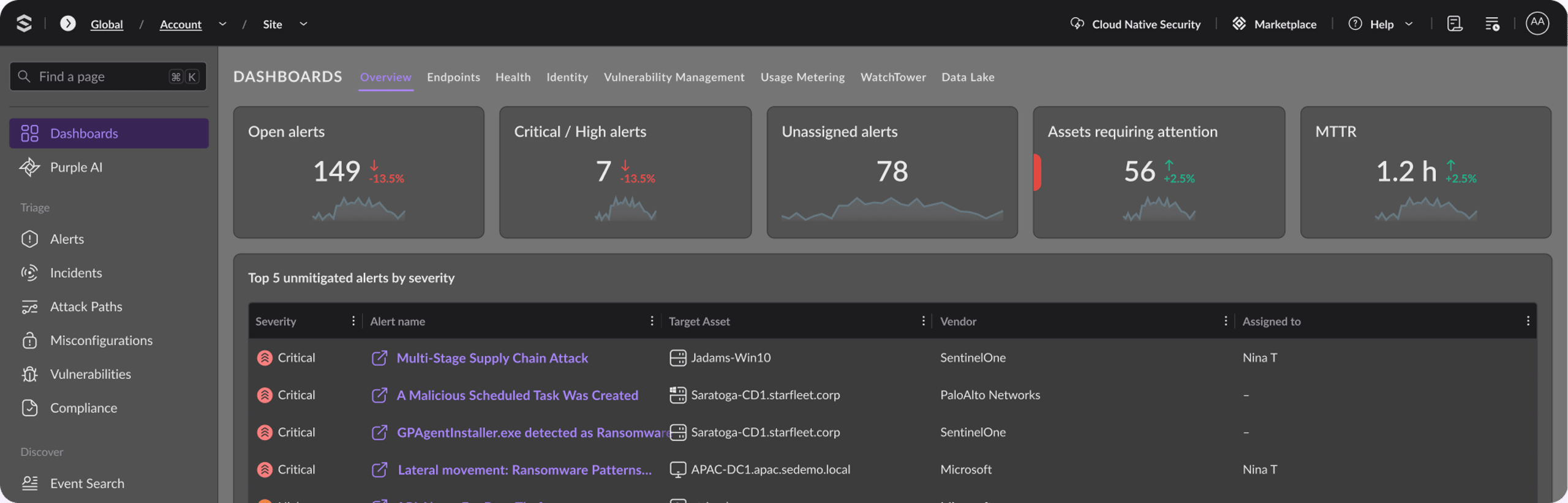
7 Types of Endpoint Security Controls: A Complete Guide
Endpoint security controls refer to the software, hardware, and practices that organizations put in place to secure endpoints. Let's learn more in this post.

In today’s digital landscape, protecting endpoints –devices such as laptops, servers, smartphones, and other connected devices– is crucial for any business. Cyber threats continue to evolve, becoming more sophisticated and harder to detect. Endpoint security controls serve as essential safeguards to protect these devices from malware, ransomware, and unauthorized access. Understanding the types of endpoint security controls can help organizations secure their infrastructure effectively.
In this guide, we’ll explore the seven main types of endpoint security controls, their benefits, and how to implement them.
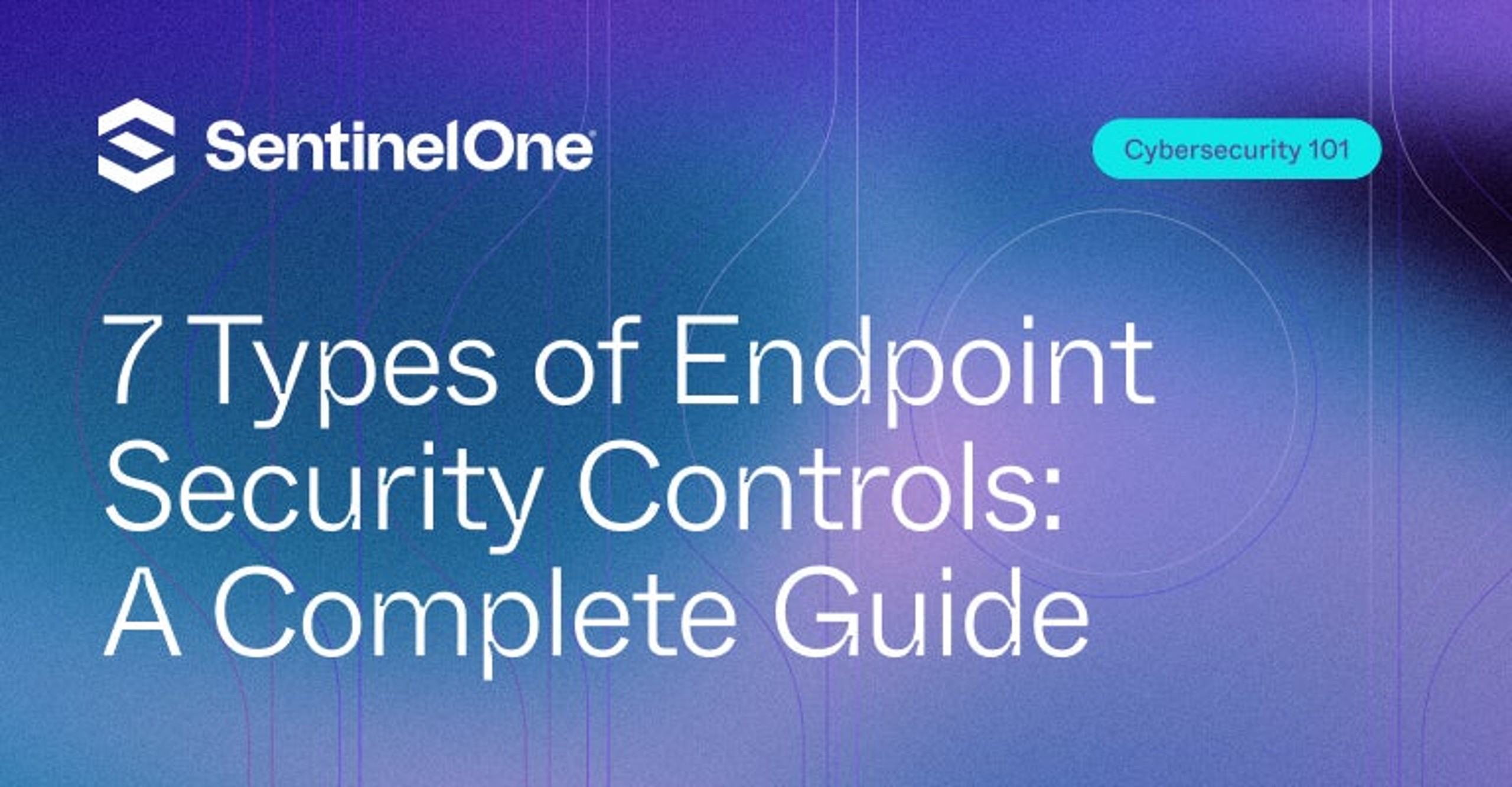
What Are Endpoint Security Controls?
Endpoint Security Controls refer to the software, hardware, and practices that organizations put in place to secure endpoints. Specifically, an endpoint is any device that connects to a network and communicates with other systems. Common examples include computers, smartphones, tablets, and servers. Given the increase in remote work and cloud adoption, the need for strong endpoint security has never been more critical.
These controls not only help monitor, detect, and prevent security threats to these devices but also ensure that sensitive data remains safe. Moreover, they protect against cyber threats that could compromise the network. Therefore, endpoint security controls form a critical layer in a broader security strategy, working alongside network, cloud, and identity management security measures.
How Do Endpoint Controls Work?
Endpoint controls work by creating a protective shield around each device in the network. They monitor activities on the device, checking for any anomalies or suspicious behavior. If the control identifies a potential threat, it either blocks the malicious activity or sends an alert to the IT team for further investigation.
Endpoint security solutions can either be agent-based or agent less. Agent-based solutions require software installation on each device, allowing for deeper visibility and control. Agentless solutions, on the other hand, monitor endpoints without needing local software installation. Both approaches have their pros and cons, depending on the organization’s needs.

Report
Leading the Way in Endpoint Security
See why SentinelOne has been named a Leader four years in a row in the Gartner® Magic Quadrant™ for Endpoint Protection Platforms.

7 Types of Endpoint Security Controls
Understanding the types of endpoint security controls can help organizations choose the right tools for their needs. Here are the seven main types of endpoint security controls:
1. Antivirus and anti-malware software
Antivirus and anti-malware software form the foundation of endpoint security. These programs scan files and software on devices for known threats and automatically remove them if detected. They use signature-based detection to identify malicious software, but modern solutions also incorporate behavior-based detection, which identifies suspicious activities even if the malware has no known signature.
Implementation Tip: Ensure that antivirus software is installed on all devices, kept up-to-date, and configured to perform regular scans. Look for solutions that offer real time scanning and behavioral detection.
2. Endpoint detection and response (EDR)
EDR solutions go beyond traditional antivirus by providing continuous monitoring and real time threat detection. They analyze activity on endpoints, such as changes to files or processes, and look for signs of compromise. EDR tools help identify sophisticated threats, like zero-day attacks, that traditional antivirus might miss.
Implementation Tip: Deploy EDR to gain detailed insights into potential threats and respond quickly to incidents. It’s ideal for organizations with a dedicated security team that can monitor alerts and take action.
3. Data encryption
Encryption converts data into an unreadable format that can only be decrypted with the correct key. This ensures that even if an attacker gains access to a device, they cannot read the encrypted data. Encryption is especially important for mobile devices and captions that store sensitive data.
Implementation Tip: Implement full-disk encryption for laptops and mobile devices. Use encryption for data at rest and data in transit to protect sensitive information, like customer data or financial records.
4. Network access control (NAC)
NAC solutions help organizations control which devices can access their networks. It verifies that each device complies with the organization’s security policies before granting access. This ensures that only devices with up-to-date. software and proper security configurations can connect to the network.
Implementation Tip: Use NAC to restrict access to company networks based on device type, security posture, and user roles. Integrate NAC with EDR tools for more comprehensive security.
5. Firewalls
Firewalls act as a barrier between an endpoint and potential threats. They filter incoming and outgoing network traffic, blocking unauthorized access and allowing only trusted connections. Firewalls can be software-based, running on individual devices. or hardware-based, protecting entire network segments.
Implementing Tip: Configure firewalls with rules that match your organization’s security policies. Regularly review and update firewall rules to ensure they align with the latest security standards.
6. Multi-factor authentication (MFA)
MFA adds an extra layer of security by requiring users to provide multiple forms of verification when accessing a device or application. For example, in addition to entering a password, users may need to provide a one-time code sent to their phone.
Implementation Tip: Implement MFA for accessing all critical systems and applications. This is particularly important for remote access to company networks, where passwords alone may be insufficient.
7. Patch management
Patch management involves keeping software and operating systems up-to-date to address security vulnerabilities. Cybercriminals often exploit unpatched software to gain access to systems. Automated patch management solutions help ensure that devices receive the latest security updates without manual intervention.
implementation Tip: Implement a patch management schedule to ensure that critical updates are applied quickly. Use tools that automate patch deployment to reduce the workload on IT teams.
Discover Unparalleled Endpoint Protection
See how AI-powered endpoint security from SentinelOne can help you prevent, detect, and respond to cyber threats in real time.
Endpoint Security Controls Checklist
To implement endpoint security effectively, consider the following checklist:
- Install and regularly update antivirus and anti-malware software.
- Deploy EDR solutions for continuous monitoring and rapid threat detection.
- Encrypt sensitive data on all devices.
- implement Network Access Control (NAC) to restrict unauthorized devices.
- Configure firewalls on all endpoints and network segments.
- Use Multi-Factor Authentication (MFA) for remote and critical access.
- Automate patch management to reduce the risk of vulnerabilities.
SentinelOne for Endpoint Security
SentinelOne’s Singularity Platform offers advanced endpoint security through its XDR AI-powered platform. It provides enhanced visibility, industry-leading detection, and automated response capabilities, ensuring that organizations can protect their digital assets across multiple environments.
Singularity platform: overview
The Singularity Platform is designed to prevent, detect, and respond to cyberattacks at machine speed. Additionally, it ensures scalability and accuracy while providing protection across endpoints, clouds, and identities. Moreover, the platform is effective for businesses of all sizes, offering extended visibility into Kubernetes clusters, virtual machines (VMs), servers, and containers. Ultimately, it helps secure assets in public clouds, private clouds, and on-premises data centers.
Singularity endpoint
Businesses today face a 75% increase in cloud-based intrusions. Nearly 27% of organizations experience at least one cloud security incident each year. Singularity Endpoint helps businesses respond to these threats with flexibility and robustness. It secures every endpoint across various infrastructures, regardless of geographic location.
The platform centralizes data and workflows, thereby offering a single view for complete visibility. Additionally, it autonomously detects malware, ransomware, and other threats, which allows for an instant response to incidents. Furthermore, Singularity Ranger, a component of the solution, adds real-time network attack surface control by identifying and monitoring all IP-enabled devices on a network.
Key Features of SentinelOne Singularity Platform
- Dynamically Protects: Manages attack surfaces and endpoints in real-time.
- Centralized Visibility: Provides a unified view of all endpoint activities.
- Reduced False Positives: Enhances detection accuracy across various operating systems.
- Automated Response: Remediates and rolls back endpoints with a single click.
- Scalability: Suited for enterprises with complex, multi-cloud environments.
Protect Your Endpoint
See how AI-powered endpoint security from SentinelOne can help you prevent, detect, and respond to cyber threats in real time.
Moving On
Endpoint security controls form the first line of defense against cyber threats targeting organizational devices. By implementing a layered approach, including antivirus software, EDR, encryption, and firewalls, businesses can effectively safeguard sensitive information. Furthermore, modern solutions like SentinelOne’s Singularity Platform offer advanced capabilities to detect and respond to threats efficiently. Consequently, by understanding and utilizing these controls, organizations can better protect their digital assets while maintaining a secure network environment.
FAQs
Antivirus software focuses on identifying known malware through signatures. EDR provides real-time monitoring and analysis, detecting sophisticated threats like zero-day attacks and offering deeper insights into endpoint activity.
Encryption ensures that data remains secure, even if an unauthorized person gains access to a device. It makes sensitive information unreadable without the decryption key, adding an extra layer of security.
NAC ensures that only compliant devices can access the network, reducing the risk of malware spreading from unauthorized or outdated devices. It helps enforce security policies across all connected endpoints.
Patch management fixes software bugs and security flaws that cybercriminals can exploit. Common vulnerabilities include outdated software, unpatched operating systems, and weak encryption protocols.
Yes, SentinelOne’s Singularity Platform scales well and can adapt to the needs of small businesses. Moreover, it provides robust endpoint protection with automated response features, making it ideal for companies with limited IT resources.
By implementing these endpoint security controls and using advanced solutions like SentinelOne, businesses can not only better protect their assets but also enhance their defense against ever-evolving cyber threats. Therefore, investing in such solutions is crucial for maintaining a strong security posture.
Discover More About Endpoint Security


Endpoint Security that Stops Threats at Faster Speed and Greater Scale Than Humanly Possible.
One intelligent platform for superior visibility and enterprise-wide prevention, detection, and response across your attack surface, from endpoints and servers to mobile devices.