SIEM Reporting: Definition and How to Manage It
This post will provide a definitive explanation of what SIEM reporting is, covering key components of SIEM reporting like data collection, correlation, and analysis.

SIEM, pronounced “sim,” is a security solution that counters threat incidents and provides real-time security monitoring to enterprises. SIEM gathers and analyzes security data from various IT infrastructures. This gives organizations visibility of security data and proactively detects suspicious threat patterns. This post will provide a definitive explanation of what SIEM reporting is, covering key components of SIEM reporting like data collection, correlation, and analysis.
We’ll also discuss alert generation and incident response as part of the components of SIEM reporting. Then, we’ll cover types of SIEM reports, the benefits of effective SIEM reporting, and best practices and challenges in SIEM reporting.
Lastly, we’ll take a look at the real-world application of SIEM reporting and some frequently asked questions.
 What Is a SIEM Report?
SIEM is an acronym for security information and event management. It is a solution that enables organizations to get detailed insights into their security posture.
SIEM works by gathering and analyzing an organization’s security events. This gives a complete breakdown of an organization’s security standards. So, a SIEM report is simply the process of gathering and analyzing security events and data after generating them.
A SIEM report gives detailed information about security incidents, user activities, and compliance with security standards. Therefore, depending on the results, all SIEM reports help enhance the security posture of a system and detect potential threats.
 Key Components of SIEM Reporting
Several aspects of SIEM reporting make up the activities reporting incident events. For instance, reporting a threat incident requires gathering and analyzing threat patterns, so there’s a component for that purpose.
Here is a list of the top components of SIEM reporting:
- Data collection—The data collection component gathers all necessary data that was generated from multiple IT infrastructures of an organization. After gathering data, the SIEM stores it in a centralized database location. From there, it carries out further analysis.
- Correlation and analysis—This component is responsible for further analysis of security data so that it can generate accurate reports. This component makes use of a defined set of rules to analyze data and organize and gather security attributes or patterns for reporting. For example, an SIEM system might report a case of multiple login attempts after analyzing and identifying it to be a possible threat behavior.
- Alert generation—After analyzing and correlating security data, the alert generation components raise an alert to notify the system of a possible threat incident. This component is responsible for letting the IT teams know about the presence of identified security threats. From here, further actions can be taken to either remediate or prevent an attack.
- Incident response—The incident response component is responsible for the continuous monitoring and alerting of potential threats. After the identification of possible threats, an automated action might be triggered to ensure that further damage does not happen. This approach is important for effective and proactive management of the system. Incident response often requires collaboration with other security solutions and tools to ensure an efficient response.
Types of SIEM Reports
- Compliance reports—A compliance report involves generating and reporting users’ behavior that does not comply with security rules. A compliance report helps in balancing activities with correlation rules. This ensures that users comply with security standards. For example, a compliance report can give an analysis of the type of data the system collects from users. These reports will help IT teams to know if the organization has a positive standing with industry standards.
- Operational reports—An SIEM solution provides reports on users’ activities and how they affect the system’s security. With this, the security status and functionality of the system can be visible to IT teams. This will indicate key actors and identify security misfunctions.
- Security incident reports—Incident reports involve gathering incident data and reporting network activities. After threat incident detection, a response is sent to either isolate the affected systems or send details of threats for a better response.
- Threat intelligent reports—Sometimes SIEM solutions make use of known threat patterns to set correlation rules. These rules will help identify potential threats before they are exploited. This makes it possible to act on threats faster to avoid possible attacks. This process of collecting data based on known techniques will allow organizations to stay ahead of attackers.
Benefits of Effective SIEM Reporting
- Advanced visibility—SIEM reports give proper visibility of the organization’s IT interface, from user activities to infrastructure endpoints and network data. This ability allows IT teams to understand the security posture of the organization and provide possible solutions to enhance security.
- Faster incident response—SIEM solutions sometimes collaborate with other security tools to respond to threat incidents. This allows organizations to either isolate the affected system or remediate the vulnerabilities of the system. With this ability, threat incidents can be resolved before they become attacks. SIEM also incorporates threat intelligence in threat detection. This approach uses known threat patterns and behaviors to hunt for potential threat incidents. This keeps organizations ahead of attackers by monitoring known suspicious behaviors.
- Industry regulation compliance—SIEM reports automate the process of data gathering, and this is very helpful in ensuring that industry requirements are easily met without many errors. By setting rules for data collection, IT professionals ensure that the process of data gathering follows industry standards. Then, the rules can be incorporated into the SIEM system to streamline and automate the process instead of a manual compilation of data.
- Reduced cost—SIEM is a cost-effective solution for businesses looking for an efficient cybersecurity solution that will not cost them a fortune. SIEM solutions allow organizations to enhance their security posture without the need to break the bank.
- Proactive and efficient threat detection—With SIEM solutions, threat incidents can be identified early because SIEM solutions offer continuous monitoring of IT environments. With this ability, organizations get the opportunity to identify potential security threats before they cause damage to the system.
 SIEM Reporting Best Practices
- Consider regulatory compliance. The first good practice to implement is complying with regulatory rules. Since implementing SIEM solutions involves gathering data, organizations have to adhere to industry requirements for data gathering. This will prevent and avoid breaking compliance laws. This requires an assessment of how sensitive data is handled and accessed.
- Consider scalability. Scalability is important because as an organization continues to grow, security requirements and data continue to increase. So, before implementing a SIEM system, it is important to consider the future of the organization. This is because the scaling and adjustment of SIEM solutions are complex, which is why they are designed to accommodate large data by default. So, you have to consider the organization’s growth in terms of adaptation to new technologies, expansion of customer base, and the processing of more data.
- Set clear goals. For an SIEM system to be effective, organizations must determine the type of data they need. This will help them gather the right data and implement efficient rules. So, setting up an organization’s security goals is an effective step in knowing what data will be important to keep.
- Regularly update correlation rules. Regularly updating correlation rules ensures that your system does not go out of date. It provides updates to security standards by fine-tuning security requirements and setup. By updating correlation rules, organizations make sure that the correct data is gathered and the correct alerts are generated.
- Conduct continuous monitoring. Continuous monitoring allows organizations to identify issues in correlation rules. By monitoring the performance of the SIEM system, you can know if it aligns with your organization’s security needs and requirements. You can also identify key areas that require fine-tuning and implement proper updating to them.
Challenges of SIEM Reporting
Some challenges need addressing when it comes to implementing an efficient SIEM system. Here are the top challenges you have to look out for:
- Complex integration—Integrating SIEM solutions with existing systems is a complex challenge that needs addressing. From complying with security regulations to data gathering to setting up correlation rules, all these are complex processes that require special attention. The integration of the SIEM system demands proper fine-tuning to enhance efficiency.
- Requirement for skilled individuals—For an organization to operate a SIEM system effectively, it must have skillful staff with knowledge of how SIEM solutions work. These individuals will have an understanding of log analysis, incident monitoring, and threat response. This can be a challenge for organizations with minimal staff budgets.
- False positive—Sometimes SIEM reports are excessively overwhelming. These reports can provide too many alerts that may not be necessary and require filtering. This provides an additional layer of work for IT teams.
- Data overload—Without proper data, the effectiveness of the SIEM solution will be slow. This is because the SIEM solution uses data for almost all of its operations. However, when too much data is added to the system, it becomes an overload that might require further configuration.
Customizing SIEM Reports
- Defining custom metrics—Before you start configuring your SIEM solution, it is important to define key metrics. This will help in setting up correlation rules and meeting the organization’s security goals. To tailor SIEM reports to meet the needs of the organization’s security, you have to define key metrics and incorporate them in setting up correlation rules.
- Scheduling and automating reports—To make it easier and less complex to operate an SIEM system, implementing automatic reporting is of great importance. This will help alert IT teams of threats on time.
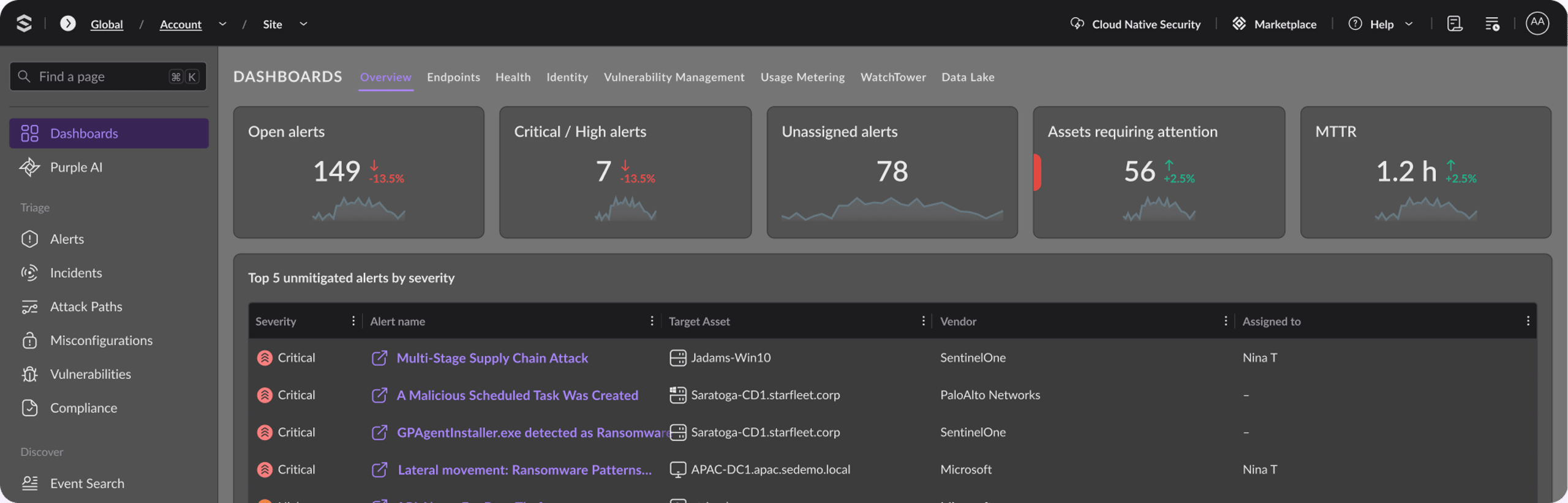
- Visualizing data effectively—Ensuring that data is properly displayed is important in customizing SIEM reports to suit the organization’s goal. The data dashboard should be configured in a way that data visibility is as customized as possible.
 Real-World Application of SIEM Report
SIEM solutions are perfect in real-world scenarios. They create opportunities to secure IT infrastructures and comply with industry standards in real life. Here are some real-life applications of SIEM solutions:
- Compliance with health care regulations—SIEM solutions help organizations gather and use health care data to adhere to industry standards such as HIPAA’s security management process. This standard requires healthcare organizations to perform security risk analysis and management. With the help of SIEM reporting, healthcare organizations can control and manage system security by discovering system risks and managing file access and user activities.
- Protection against suspected insider threats—Insider threat detection can be challenging because the threats come from trusted entities. They can go undiscovered for a long time. However, with SIEM threat detection, intelligence can quickly discover insider threats by looking out for known threat patterns and activities, even from known entities. These behaviors span detecting an abuse of privileges, compromised user credentials, and overexposure due to human errors.
- Actively seeking threat patterns—SIEM solutions are very good detectors of vulnerability threats. They take a proactive approach to detect potential threats. For instance, SIEM solutions provide actionable alerts that help investigate potential threat vulnerabilities. SIEM solutions also check for patterns similar to previous attacks or threat incidents to determine if a pattern is vulnerable or not.
- SIEM systems analyze transaction data in real-time to detect anomalies and potential fraudulent activities, such as unusual transaction patterns
- SIEM tools can automate the generation of compliance reports required by regulatory bodies, such as GDPR. For instance, the SentinelOne tool can survey all the activities going on within the network. This will help ensure accuracy and ensure compliance with industry standards.

The Industry’s Leading AI SIEM
Target threats in real time and streamline day-to-day operations with the world’s most advanced AI SIEM from SentinelOne.
Final Words
SIEM reports gather insights into an organization’s security data to create an analysis of the organization’s security posture. This gives IT teams visibility into the organization’s security posture. In this post, we’ve learned what a SIEM report is and how it helps in resolving security issues.
We looked at key components and types of SIEM reports, covered the benefits of effectively implementing SIEM reporting, and examined the accompanying challenges with best practices to overcome them. Finally, we learned how to customize SIEM reports and looked at some real-world applications.
FAQs
This generally depends on the organization’s policies: regulatory requirements, and the volume of monitored events. For instance, some organizations may generate real-time alerts for immediate threats while producing daily, weekly, or monthly summary reports for ongoing analysis and compliance monitoring.
All parts and teams in the organization should receive SIEM reports. This includes security teams, IT teams compliance officers, and even executive managers.
SIEM reporting gathers and presents data required for regulatory compliance. It is important to identify security risks, detect breaches, and ensure compliance with regulatory requirements. It helps businesses monitor their security posture, analyze incidents, and improve their overall threat response
Discover More About Data and AI



Ready to Revolutionize Your Security Operations?
Discover how SentinelOne AI SIEM can transform your SOC into an autonomous powerhouse. Contact us today for a personalized demo and see the future of security in action.