What are Threats, Techniques & Procedures (TTPs)?
Understanding Threats, Techniques, and Procedures (TTPs) is vital for defense. Explore how to analyze TTPs to enhance your security strategy.
Threats, Techniques, and Procedures (TTPs) describe the behavior of threat actors. This guide explores the significance of TTPs in understanding cyber threats and enhancing security measures.
Learn about the importance of threat intelligence in identifying and mitigating risks. Understanding TTPs is crucial for organizations to strengthen their cybersecurity strategies. By dissecting TTPs, organizations can enhance their threat intelligence and respond much more effectively.
A Brief Overview of TTPs
TTPs make up a multifaceted framework and have evolved in response to the growing sophistication of cyber threats. The need for comprehensive strategies to understand, counteract, and respond to them effectively remains a high priority for cybersecurity practitioners.
Origin and Evolution
TTPs have their roots in the continuous cat-and-mouse game between cyber adversaries and defenders. As cyber threats evolved from basic viruses and worms to complex, targeted attacks, cybersecurity professionals recognized the need to categorize and understand the tactics employed by threat actors. This led to the development of TTPs as a framework for classifying and analyzing cyber threats systematically.
Significance and Contemporary Use
Nowadays, TTPs are pivotal in shaping cybersecurity strategies. Threats encompass a wide array of risks, from malware and phishing attacks to advanced persistent threats (APTs). Techniques refer to the specific methods employed by threat actors, including social engineering, zero-day exploits, and encryption. Procedures outline the step-by-step processes adversaries follow, such as reconnaissance, infiltration, and data exfiltration. This comprehensive framework enables cybersecurity professionals to dissect the modus operandi (MO) of threat actors and devise countermeasures.
TTPs are employed by a diverse range of actors. Nation-state actors leverage advanced TTPs for cyber espionage and cyber warfare, while cybercriminals use them for financial gain through activities like ransomware attacks. Hacktivists employ TTPs to advance their ideological or political agendas, while insider threats exploit these techniques for internal sabotage. Cybersecurity professionals and organizations use TTP analysis to strengthen security postures, detect emerging threats, and improve incident response capabilities.
Understanding How TTPs Works
A technical perspective on TTPs delves into the underlying mechanics of these elements to provide insight into how they function.
- Threats – Threats encompass the various risks and potential attacks that can compromise a system or network. These can range from familiar malware like viruses and Trojans to sophisticated threats like APTs. Technical analysis involves threat intelligence feeds, malware analysis, and monitoring network traffic for known threat signatures.
- Techniques – Techniques refer to the specific methods or mechanisms employed by adversaries to execute their attacks. These encompass an array of technical actions, including exploit development, social engineering, and evasion tactics. Technical examination involves reverse engineering malware, studying attack vectors, and analyzing vulnerabilities in software or systems.
- Procedures – Procedures outline the step-by-step processes followed by threat actors to achieve their objectives. This includes reconnaissance, infiltration, privilege escalation, data exfiltration, and cover-up activities. Technical analysis includes monitoring network traffic for signs of these procedures, examining log files for suspicious behavior, and identifying command and control (C2) infrastructure.
From a technical standpoint, the process often starts with the identification of a potential threat through various means, including intrusion detection systems (IDS), extended detection and response (XDR) solutions, or threat intelligence feeds. Once a threat is identified, its techniques and procedures are scrutinized.
For instance, if a malware threat is detected, reverse engineering is employed to dissect its code, revealing its behavior and potential vulnerabilities it exploits. Threat analysts may also use sandboxing techniques to observe the malware’s actions in a controlled environment. If an attack is ongoing, network traffic analysis is crucial to understand the attacker’s tactics and identify indicators of compromise (IoCs).

Enhance Your Threat Intelligence
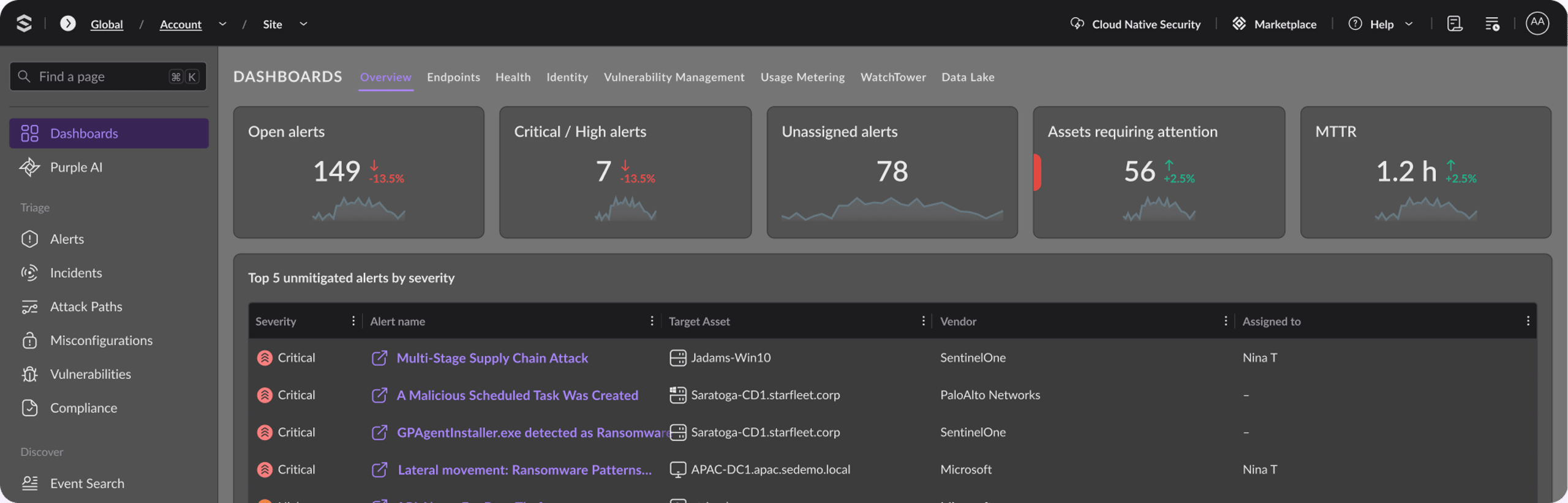
See how the SentinelOne threat-hunting service WatchTower can surface greater insights and help you outpace attacks.
Exploring the Use Cases of TTPs
TTPs play a pivotal role in the contemporary threat landscape, serving as a foundation for understanding and countering cyber threats. This section explores how TTPs are employed in the current threat landscape and essential insights for aspiring security practitioners.
APT groups are adept at employing sophisticated TTPs. They use advanced techniques to gain unauthorized access, stay persistent in compromised networks, and exfiltrate valuable data over extended periods. APTs often target governments, critical infrastructure, and large corporations. Malware authors leverage various TTPs to distribute malicious software. This includes techniques like social engineering to trick users into downloading malware, exploiting software vulnerabilities for initial access, and using command and control servers for remote control. Phishing campaigns rely on TTPs to deceive victims into revealing sensitive information. This involves crafting convincing emails or websites, impersonating legitimate entities, and employing persuasive lures.
For security teams, TTPs are key to shaping more comprehensive cybersecurity strategies. TTPs can help in the following ways:
- Threat Intelligence – Continuously gather and analyze threat intelligence to understand emerging TTPs, threat actors, and trends in the threat landscape.
- Incident Response (IR) – Develop robust incident response plans that incorporate TTP analysis for swift detection, containment, and recovery from security incidents.
- Security Controls – Implement security controls, such as intrusion detection systems (IDS) and intrusion prevention systems (IPS), to detect and block known TTPs.
- User Training – Educate users about common TTPs like phishing and social engineering to foster a security-aware workforce.
- Adaptive Defense – Embrace adaptive defense strategies that focus on detecting deviations from normal network behavior, allowing for early TTP detection.
Conclusion
TTPs are integral in understanding and defending against cyber threats in the current landscape. By staying informed about evolving TTPs, learning from recent use cases, and implementing effective security practices, security practitioners can contribute to protect their organization’s digital assets and networks.
TTPS FAQs
TTPs stand for Tactics, Techniques, and Procedures. Tactics are the high-level goals an attacker pursues, like gaining initial access. Techniques are the specific methods used to meet those goals, such as phishing or port scanning. Procedures are the detailed, step-by-step instructions for carrying out each technique.
By mapping TTPs, you get a clear model of how adversaries operate and where to watch for activity.
TTPs help you recognize attacker behavior instead of isolated indicators like IP addresses. When you know an adversary’s preferred techniques—say, credential dumping—you can tune your detection rules, watch for those actions, and trigger alerts before damage spreads.
In response, you apply targeted countermeasures, block specific tools, and harden affected systems. TTP-based defenses stay relevant even when files or domains change.
In CTI, analysts collect and share observed TTPs from real incidents. They map each intrusion to frameworks like MITRE ATT&CK, allowing organizations to compare their controls against known attacker methods.
This intelligence drives risk assessments, guides security investments, and informs playbooks. By tracking shifts in threat actor TTPs, CTI teams update rules and scenarios to reflect the latest adversary behaviors.
Start by instrumenting logging on endpoints, networks, and cloud services to capture detailed events. Use threat hunting to search for behaviors like lateral movement or process injection. Deploy SentinelOne’s EDR or XDR tools that flag suspicious techniques in real time.
Defend by blocking risky tools, enabling application whitelisting, enforcing least-privilege, and segmenting networks. Regularly test detection rules with red team drills that simulate those TTPs.
EDR and XDR platforms like SentinelOne trace process execution, file changes, and network calls to reconstruct attacker TTPs as a timeline. SIEM systems ingest logs from firewalls, proxies, and endpoints, then run analytics to spot technique patterns. Threat intelligence platforms correlate alerts with known TTPs mapped to MITRE ATT&CK.
Discover More About Threat Intelligence



Ready to Revolutionize Your Security Operations?
Discover how SentinelOne AI SIEM can transform your SOC into an autonomous powerhouse. Contact us today for a personalized demo and see the future of security in action.