What are Vulnerability Management Roles and Responsibilities?
This blog examines vulnerability management roles and responsibilities, underscores best practices for assigning tasks, and shows how to enhance security for modern enterprises.

The threat landscape constantly evolves, and businesses require a strategic approach to protect their digital resources. A recent study shows that 68 percent of business executives feel that their organization’s cyber threats are on the rise. The increase in the number of threats exacerbates these risks, especially given the growing shortage of cybersecurity professionals. In such an environment, clarity in vulnerability management roles and responsibilities becomes indispensable, preventing overlap and ensuring that all aspects of the security lifecycle are covered.
In this article, we are going to explore:
- The fundamental reasons vulnerability management roles and responsibilities are crucial in an evolving threat landscape.
- The importance of well-defined positions within an organization’s structure, from the board to operational teams.
- Insights into how tasks are segmented, focusing on strategy, execution, monitoring, and reporting.
- The challenges of assigning roles including gaps that leave vulnerabilities unaddressed.
- Best practices to refine team structures and how it fortifies enterprise wide security initiatives.
Why Are Defined Roles Important in Vulnerability Management?
The key to maintaining a strong security stance is having specific and clearly communicated responsibilities so that there is no ambiguity. To avoid confusion, responsibilities must be well-defined, and it has to be clear who is responsible for what at any given time. A study revealed that while 82% of the board members are worried about cybersecurity, only 38% said they have an adequate understanding of the problem. While monthly threat reports help narrow the knowledge gap, vulnerability management responsibilities still demand more accessible, actionable insights to drive board-level and operational alignment.
- Strategic Guidance for the Board: In many cases, the board considers security as an executive concern but does not always know how to bring this into practice. Defined vulnerability management roles help funnel pertinent information up the chain with minimal confusion. CISOs are intermediaries who translate to the board what the situation is and what the consequences are, financial or otherwise. This fosters a culture of urgency across the organization, thus ensuring that all employees have an appreciation of the need to be productive at all times.
- Operational Efficiency in the Security Team: If there is no clear division of responsibilities, some of these holes can easily be overlooked. A well-documented set of enterprise vulnerability management roles and responsibilities enforces standards, deadlines, and accountability measures. It also creates the possibility of enhanced knowledge sharing, which means that analysts and engineers can focus on a particular set of tasks, for instance, patch testing or threat intelligence. This specialization results in faster and more effective remediation loops.
- Informed Decision-Making: When each contributor knows the scope of their vulnerability management responsibilities, data flows seamlessly between teams. Risk managers get updated information to assess risks’ implications, compliance officers check compliance with requirements, and technical personnel improve remediation. It allows for the overall decision-making process to be more efficient, based on insights rather than guesswork or interpretations from small groups.
- Clear Channels of Communication: When roles are not clearly defined, communication channels become congested. Assigning explicit vulnerability management roles and responsibilities fosters structured reporting lines and succinct notifications. Security managers and analysts can prioritize and escalate incidents without uncertainty about who should handle or approve particular measures. These aspects of clear communication contribute to quicker incident resolution and improved interdepartmental rapport.
Core Vulnerability Management Roles and Responsibilities
Although organizations differ in size and organizational structure, there are key positions that are crucial to a well-developed security environment. These roles encompass high-level decision-making, actual implementation, and compliance. Some teams may combine several tasks, while others may completely segregate them in order to achieve maximum differentiation. Below, we explore each role in detail, discussing responsibilities, approximate salaries as of 2025, and how each fits within vulnerability management roles and responsibilities.
CISO (Chief Information Security Officer) – Strategy and Oversight
The CISO leads the security strategy and program, which must be in harmony with the company’s goals. This role may involve decisions on policies and budget, and acting as the central figure for cybersecurity within the company’s board of directors. As per industry estimates, the CISO in large enterprises can earn between $180,000 and $350,000 per year, depending on the size of the organization and geographical location.
In addition to policy development, a CISO must promote security education, thinking strategically while keeping an eye on the practical implications. In the context of vulnerability management roles, the CISO ensures that scanning, patching, and reporting processes blend seamlessly into broader corporate goals. This leadership promotes security consciousness and ensures that security is a priority and everyone is held responsible for it.
Key Responsibilities
- Establish and articulate a strategic security plan consistent with the vision and goals of the enterprise.
- Secure adequate resources and budget for vulnerability management team responsibilities and related projects.
- Provide regular updates on the key security indicators and any significant security occurrences to the key decision-makers and the board of directors.
- Ensure that risk management frameworks are incorporated into the routine security processes.
Approximate Salary Range in the U.S.
- Large Enterprises (10,000+ employees): $250,000–$350,000
- Mid-Sized Organizations: $180,000–$250,000
- Small Businesses and Startups: $120,000–$180,000
Security Operations (SecOps) Team – Execution and Monitoring
As the team responsible for day-to-day security management, SecOps executes the policies set by the leadership and maintains the organization’s security 24/7. Employees in this team may perform threat monitoring, filtering of threats, responding quickly to the threats, and undertaking preliminary mitigation measures. The average salary for a senior SecOps engineer in 2025 is between $100,000 and $150,000.
SecOps team managers can expect to earn over $160,000. While salaries can vary, these figures represent the typical compensation for these roles. Their role intersects deeply with vulnerability management responsibilities, from running scans to verifying patches. SecOps professionals act as the first line of defense and work around the clock to ensure that threats are quickly identified and addressed.
Key Responsibilities
- Perform the periodic scanning activities and review the results in consultation with the vulnerability management department.
- Report the critical exposures to the CISO and other higher authorities in the organization.
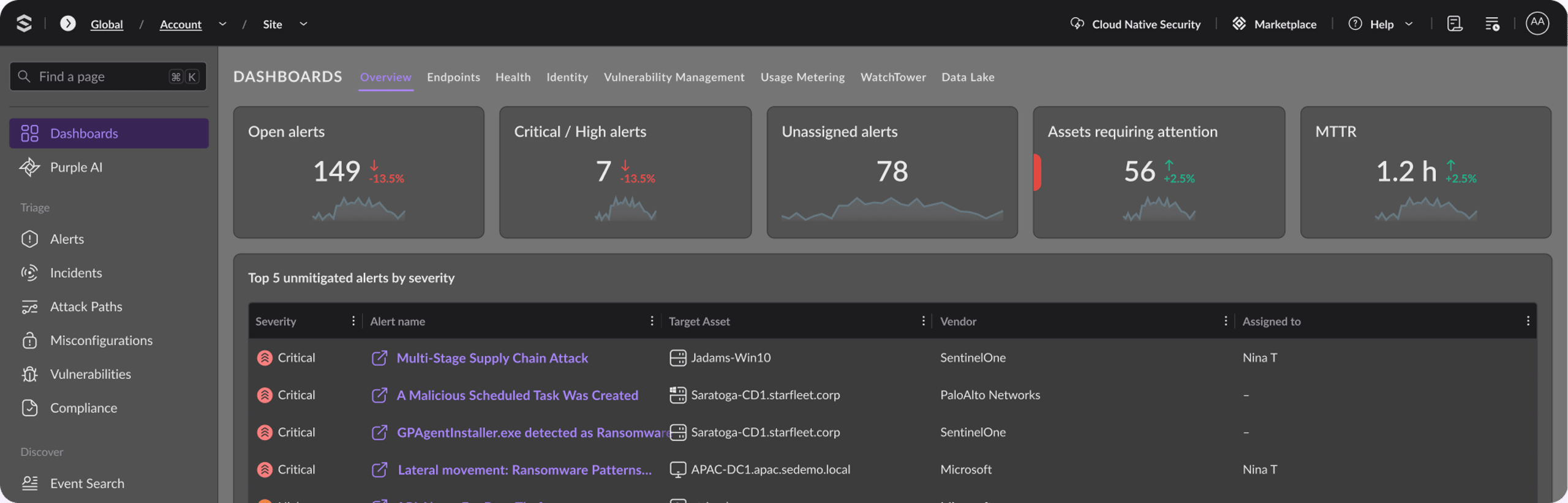
- Ensure that there are dashboards and alerting mechanisms that show the status of vulnerabilities.
- Implement real-time countermeasures during an active breach or a security incident.
Approximate Salary Range in the U.S.
- Senior SecOps Engineer: $100,000–$150,000
- SecOps Manager: $130,000–$160,000+
- Junior/Entry-Level Roles: $65,000–$90,000
Vulnerability Management Team – Identification and Prioritization
At the center of enterprise vulnerability management roles and responsibilities, this specialized team focuses on scanning, analysis, and classification of security flaws. Team members use various tools to constantly scan networks, applications, and endpoints, categorizing threats based on the severity of the threats or the potential damage they can cause. The senior vulnerability management lead position may earn between $110,000 and $160,000 in 2025 due to the complexity of the job.
This means that the team needs to be in constant communication with other teams, especially the SecOps and IT departments, to ensure that vulnerabilities are addressed promptly. Finally, by compiling and ranking the vulnerabilities, they build the basis for a systematic, evidence-based security approach.
Key Responsibilities
- Perform and coordinate scans on different types of assets within an organization, such as cloud services and on-premises networks.
- Prepare summary reports that are compiled from newly discovered and existing vulnerabilities.
- Report risk levels to the other teams in order to address them appropriately.
- Offer insights on trends to guide future vulnerability management analyst roles and responsibilities improvements.
Approximate Salary Range in the U.S.
- Senior Vulnerability Management Lead: $110,000–$160,000
- Vulnerability Analyst: $80,000–$110,000
- Entry-Level/Associate Positions: $50,000–$80,000
IT and DevOps Teams – Remediation and Patching
Although the scanning and monitoring functionalities point out the problems, the resolutions are generally left to IT and DevOps professionals. By bridging operational stability with the demands of quick patch rollouts, these teams bear significant vulnerability management responsibilities. As of 2025, DevOps engineers may be paid between $100,000 and $150,000, and IT managers with security responsibilities may also be paid within the same range.
The close working relationship with the Vulnerability Management Team means that patches are tested, validated, and deployed swiftly. Sometimes, they overlap with other positions and offer input on the level of difficulty of the proposed solutions, which in turn affects vulnerability prioritization and risk assessment.
Key Responsibilities
- Install updates and patches for servers, applications, and systems as soon as they become available.
- Check the stability of the patch to avoid having to constantly fix it or having to check for compatibility issues.
- Consult with the Security Operations and Vulnerability Management Teams to ensure that you are in sync with the timelines set.
- Automate CI pipelines to incorporate patches for security vulnerabilities.
Approximate Salary Range in the U.S.
- Senior DevOps Engineer: $110,000–$150,000
- IT Security-Focused Manager: $90,000–$140,000
- Mid-Level IT Professional: $70,000–$100,000
Risk Management Team – Business Impact
Managing risks is a critical process of translating insights into business decisions, especially in technical environments. This team assesses the impact of the identified vulnerabilities in terms of financial, operational, and reputational impact. The complexity of this role is well illustrated by the fact that in 2025, the salaries for senior risk analysts or managers range from $90,000 to $140,000.
Their input influences the broader vulnerability management roles structure, helping the CISO and executive leadership prioritize resources effectively. They interact directly with compliance officers, thus becoming the link between internal security requirements and outside regulations.
Key Responsibilities
- Assess the extent of the vulnerability’s impact on the revenues, operations, and brand image.
- Define the risk acceptance levels and guidelines adopted by technical teams.
- Develop recommendations based on the analysis and provide them to the executive management for strategic purposes.
- Integrate with the compliance department to ensure that risk measurements are consistent with the applicable laws and regulations.
Approximate Salary Range in the U.S.
- Senior Risk Analyst/Manager: $100,000–$140,000
- Mid-Level Risk Specialist: $75,000–$100,000
- Junior Risk Associate: $55,000–$75,000
Compliance and Audit Teams – Ensuring Regulatory Alignment
In highly sensitive industries such as the healthcare sector, finance compliance and audit professions remain invaluable. Their main function is to evaluate and review organizational practices against statutory, industry, or internal best practice benchmarks. Experienced compliance officers may be paid $90,000-$130,000, while auditors or managers with certification may earn $140,000 or more.
Their collaboration with security teams ensures that any shortfalls identified during vulnerability management roles and responsibilities reviews are tracked and corrected. By conducting regular audits and reporting, they ensure that customers, regulators, and shareholders have confidence in the company.
Key Responsibilities
- Map security controls and vulnerability management responsibilities to relevant regulations such as GDPR, HIPAA, or PCI-DSS.
- Make independent assessments to identify areas of non-compliance and document these for follow-up action.
- Report compliance risks to management and recommend changes to the process.
- Ensure that all records are kept for internal and external audit purposes.
Approximate Salary Range in the U.S.
- Compliance Manager: $90,000–$130,000
- Audit Lead or Manager: $100,000–$140,000
- Compliance Analyst/Auditor: $60,000–$90,000
Common Pitfalls of Organizing Responsibilities and How to Avoid Them
Despite well-documented role definitions, many organizations still encounter blind spots. These gaps may be due to overlapping responsibilities, outdated procedures, or communication and coordination issues between departments. Being aware of these challenges is the first step towards avoiding them compromising security. Below, we delve into frequently seen oversights and strategies to close the loop on vulnerability management team responsibilities:
- Overlapping Accountability: Different teams may work on different solutions to the same problems, hence using a lot of resources and possibly having cross-communication. Enterprise vulnerability management roles and responsibilities become confused when no single authority oversees them. Creating a central hub or perhaps a project management system can help define which member or team is accountable for each stage of the vulnerability. This results in clear guidelines to avoid duplication and fast resolution of the cases.
- Inconsistent Role Updates: In this continuously changing threat landscape, job scopes must also change. Failing to revise vulnerability management roles when new tech or compliance mandates surface can result in outdated processes. It is crucial to schedule the reviews periodically and to realign the tasks with the trends that appear more frequently. This dynamic approach ensures that roles remain valuable and creates a stronger security culture.
- Lack of Communication Between Teams: There is always a strong need to foster relationships between the departments in order to handle vulnerabilities effectively. When the SecOps team stumbles upon a critical vulnerability, but the DevOps team does not hear about it, the fix is delayed. Enforcing strict protocols for updates and investing in cross-functional tooling ensures that vulnerability management analyst roles and responsibilities data flow without delay. Daily stand-ups or scrum meetings also aid in this process.
- Minimal Executive Visibility: Despite the fact that CISOs regularly report to the board, in most instances, the information relayed is either too technical or too unspecific. This leads to a disconnect between the leadership and the operational staff, which may hamper critical budget approvals or risk management measures. Using metrics that convey the state of vulnerability management responsibilities in plain language helps align top-level vision with frontline efforts. This clarity can also minimize the chances of conflict over resources and their distribution.
- Unclear Escalation Framework: There are some vulnerabilities that are not necessarily critical and do not require an urgent response. When there are no clear escalation procedures, teams may respond to major and minor problems in the same way, wasting resources. Dividing issues into priority levels by risk assessment helps to prioritize work and move important matters to the forefront. A hierarchical approach to vulnerability management roles and responsibilities fosters faster resolution for items that carry the highest stakes.
Best Practices for Assigning and Managing Vulnerability Management Roles
Organizing a clear role structure is not an effortless process; it requires strategic planning, teamwork, and even revision. Organizations aiming to optimize their vulnerability management team responsibilities must adopt systematic best practices. Here are some measures that can be taken to ensure that roles are well-defined, relevant, and dynamic in the organization:
- Conduct Regular Role and Process Audits: Businesses change with time, and so does the security of such businesses. Periodically re-evaluate vulnerability management roles to confirm they match operational realities. These audits can reveal that there is duplication or a lack of clarity in the assignment of responsibility. With these formal updates alongside clear internal communications, everyone is on the same page as to the changes in priority.
- Centralize Reporting and Dashboards: When each team employs different tools, the likelihood of misalignment increases significantly. Unified dashboards that track scan results, patch progress, and risk levels offer a holistic view of vulnerability management roles and responsibilities. It facilitates the identification of trends and makes it easier for decision-makers to manage resources appropriately. It also assists in making certain that no weaknesses are buried in siloed spreadsheets or ignored ticket queues.
- Foster Cross-Functional Collaboration: Security is not the responsibility of a particular department only. DevOps, IT, SecOps, and compliance should ensure that they share updates frequently, for instance, through weekly meetings or on project management tools. This inclusive environment clarifies vulnerability management responsibilities for each stakeholder. It also accelerates patching, testing, and audit cycles while decreasing isolation.
- Implement Clear Onboarding Protocols: New employees need to grasp what they are expected to do in the security environment as soon as possible. Provide standardized materials detailing vulnerability management analyst roles and responsibilities so that new analysts, engineers, or risk managers can become productive swiftly. By presenting an overview of escalation paths and collaboration tools, they can understand where they fit in the overall picture. Effective orientation also contributes to confidence and standardization from the first day of training.
- Align Roles with Strategic Objectives: Security should be aligned with the overall organizational objectives as opposed to being an independent entity. Ensure that enterprise vulnerability management roles and responsibilities sync with key corporate initiatives, such as digital transformation or market expansion. When security is acknowledged as an enabler for business success rather than a barrier, it receives better support from the executive level. It also ensures that vulnerability management metrics are aligned with the roles and strategic outcomes at the board level.
Conclusion
The importance of well-defined vulnerability management roles and responsibilities cannot be overstated in today’s high-risk environment. As cyber threats evolve and the regulatory environment grows more stringent, it is crucial to have a clear division of responsibilities between CISOs, SecOps, DevOps, and risk assessments. Every role has its part in the process, from the high-level planning to the task of actual patching and verifying compliance.
When these roles work together, businesses have a strong line of defense that can respond to new threats and changing compliance regulations. In the long run, clarity of responsibilities makes every phase of the security lifecycle more efficient, turning the practice of fire-fighting into a systematic approach to security.
FAQs
A vulnerability management team will have: a security engineer, vulnerability management analyst, security officer, risk analyst, penetration tester, IT system engineer, and asset manager. There will also be additional roles like a vulnerability management specialist and a patch management specialist.
A vulnerability management analyst scans systems, networks, and applications to detect weaknesses. They will assess results by level severity, and work closely with technical teams to provide in-depth analysis via detailed reports. Based on the results of their analysis, they will guide the organization and inform future security and business decisions. Their goal is to convert data into actionable insights, identify threats, and map out outliers. Resolving all their findings within stipulated timelines is their other objective.
Vulnerability scanning is the responsibility of several security team members in the organization. The operations team continuously scans systems and networks, while analysts conduct periodic scans to detect vulnerabilities. IT staff also help by keeping an eye on system performance for abnormalities. Each department is responsible for performing regular checks in place, and management oversees the process to make sure that they have a live view of the risk profile of the organization.
Analysts classify issues based on severity, while risk managers assess potential impacts to guide decision making. IT and DevOps teams then address critical exposures by applying patches and updates. Network and system administrators work with app developers to address critical risks first as well.
Compliance officers work closely with IT and security teams to review practices against both internal benchmarks and external requirements. They monitor adherence to established guidelines and conduct audits to verify that security measures align with necessary protocols.
Tasks are assigned based on the inherent functions of each team. Policy is determined in overall security by management, with operational teams scanning and monitoring incidents. Risk assessment is performed by analysts and detailed reports made. Compliance teams verify compliance, IT staff install patches and updates, and risk managers evaluate potential impact.
Clearly assigned roles prevent confusion and ensure that each security task is addressed without overlap. Defined responsibilities enable precise reporting, timely assessments, and systematic remediation. When every team member understands their tasks, coordination improves and response times shorten.
Responsibilities should be distributed according to each team’s core functions. Leadership establishes guidelines while operational staff monitor and report incidents. Analysts provide detailed assessments, and IT with DevOps address issues through patches. Risk management reviews threat impacts, and compliance teams oversee adherence to policies.
Effectiveness can be measured by the analysis of key performance indicators. We can look at metrics like the rate of threat detection, remediation response time, and rates of recurring vulnerabilities. Regular audits and system scans provide a sense of team performance, and feedback in incident reports shows areas for improvement.
Tools can help greatly by running periodic scans automatically and consolidating data from multiple sources. They allow teams to see security vulnerabilities and track remediation. Real-time reporting and alerting features assist in prioritizing high-priority issues to be remediated. Their integrations with existing systems assists in enabling improved communication between different security roles.
Discover More About Cybersecurity



Experience the Most Advanced Cybersecurity Platform
See how the world’s most intelligent, autonomous cybersecurity platform can protect your organization today and into the future.