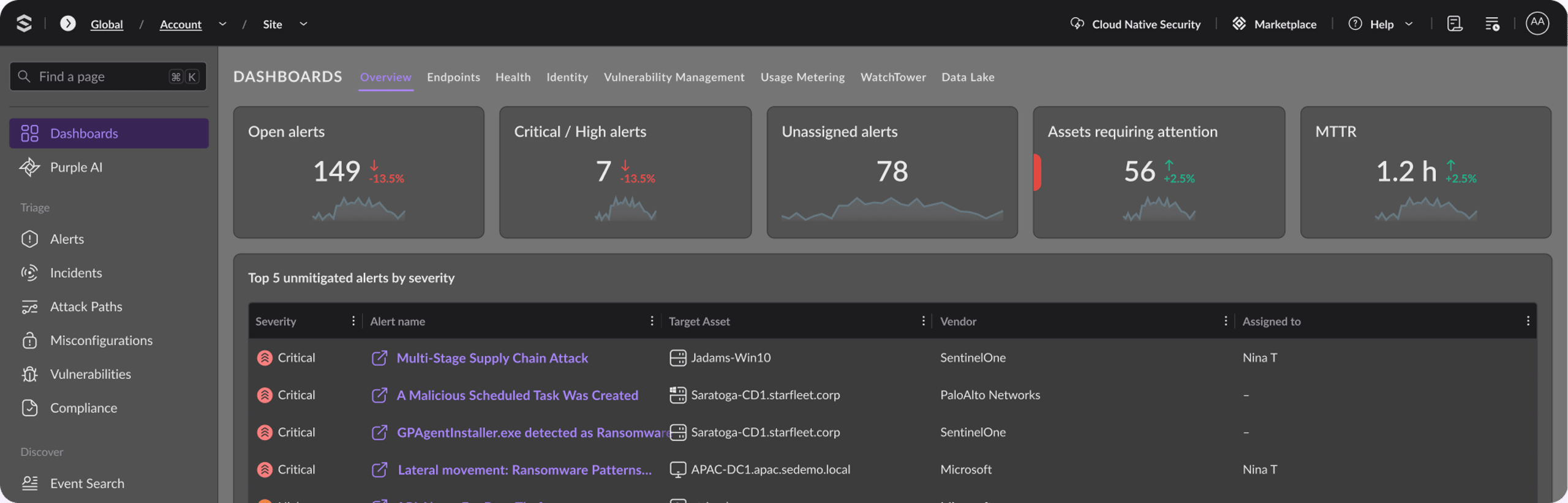
Cloud Compliance Framework
Ensure data security, integrity, and confidentiality with our expert guidance and tailored solutions for your cloud compliance needs. Cloud compliance frameworks like HIPAA, PCI-DSS, and GDPR ensure your cloud infrastructure meets regulatory requirements. Learn more.

Welcome to a new era of complexity for those who once thought data security was challenging when commerce was mostly done locally. Today’s businesses are mobile, and cloud storage is used to keep data everywhere. AWS, Azure Cloud, or Google Cloud Platforms are three organizations’ most common infrastructure (IAAS) providers. One thing hasn’t changed, though: people still want businesses to protect their data. Failure is not an option, and breaking today’s tight standards carries severe penalties and, perhaps most crucially, a loss of customer confidence, which no company can afford.
In this article, we will dive deep into the Cloud Compliance Framework, why it is essential, its components, and common frameworks.
What is Cloud Compliance?
Cloud Compliance refers to the rules and regulations established by governing bodies to guarantee that data kept in the cloud is secure, private, and compliant with established cybersecurity guidelines. These regulations frequently apply to sectors managing sensitive data, such as the healthcare sector (which has HIPAA requirements) or e-commerce (which follows PCI DSS standards).
Why is Cloud Compliance Important?
By 2022, more than 60% of all corporate data will be in the cloud. This is twice as much cloud storage as there was in 2015.
Because so much data is being saved in the cloud, each organization has to play in ensuring the security of that data.
Costly data breaches may occur if cloud requirements are not followed. Cloud compliance can assist you in taking advantage of the cost-effectiveness, data backup and recovery, and scalability of cloud computing while maintaining a solid security posture.
For instance, the HIPAA laws in the healthcare sector mandate strict security methods and guidelines for particular types of patient health data. Another such is the new laws governing financial privacy that were prompted by changes in the banking sector over the past few decades.
In essence, cloud customers should assess the security practices employed by their vendors in the same way they would assess their internal security. The services offered by the cloud vendor must be evaluated to see if they meet their criteria. There are many ways to do this. Businesses may occasionally choose service providers based solely on whether they can certify compliance and make no other decisions about them. Clients might occasionally need to actively access the cloud vendor’s security to ensure it conforms with legal requirements and industry standards.
What is Cloud Compliance Framework?
A cloud compliance framework collects standards and recommended procedures for safeguarding cloud resources. Others are sector-specific (such as those for the defense or healthcare industries), while some frameworks are broad and intended for general usage.
Examples:
- Payment Card Industry Data Security Standard (PCI DSS): This Cloud Compliance Framework’s main objective is to protect credit card transactions. It controls how cardholder data is delivered and kept.
- Health Insurance Portability and Accountability Act (HIPAA): HIPAA is a law governing healthcare in the United States that deals with patient data and how businesses should retain and utilize it. This Cloud Compliance Framework also specifies what companies must do if patient PII is disclosed.
- SOC 2: This Cloud Compliance Framework assesses the information systems of an organization concerning security, availability, processing integrity, confidentiality, or privacy.
- With the help of ISO 27001 Cloud Compliance Framework, a business can have reliable and secure information security management.
- The National Institute of Standards and Technology (NIST) offers standards and guidelines for developing and protecting information systems for government agencies. The NIST Cybersecurity Framework, NIST 800-53, and NIST 800-171 are the three Cloud Compliance Frameworks that can be used to evaluate compliance with the NIST standard.
- The GDPR (General Data Protection Regulation) is the most well-known and crucial European Cloud Compliance Framework protecting personal data.
Components of Cloud Compliance Framework
Here are the key components of the Cloud Compliance Framework:
Governance
These pre-set filters shield your private information from potentially harmful public exposure. Cloud governance’s crucial components include:
Organizations must inventory all cloud services and data housed as part of asset management and then define all configurations to guard against vulnerability. Characterizing cloud structure, ownership, and responsibilities is part of cloud strategy and design and incorporating cloud security. Financial controls include a process for approving the acquisition of cloud services and balancing cost-effectiveness with cloud usage.
Change Control
Controlling change becomes more challenging due to the cloud’s two major advantages: speed and flexibility. Misconfigurations in the cloud that are problematic are frequently caused by inadequate change control. Organizations can use automation to check setups for problems and guarantee smooth change procedures continuously.
In the cloud, identity and access management (IAM) controls frequently go through several changes. IAM best practices for your cloud environment are listed below:
- Always monitor root accounts because they might give hazardous, uncontrolled access. Put in place multi-factor authentication (MFA) for access and at the very least, monitor them with filters and alarms. If you can, shut them down.
- Use role-based access and group-level privileges to provide access based on organizational needs and the least privilege principle.
- Establish efficient credential and key management rules, disable and institutionalize dormant accounts.
Continuous Monitoring
Because of the cloud’s intricacy and scattered nature, monitoring and recording all activity is crucial. The foundation of compliance verification is the who, what, when, where, and how of events, which maintains businesses audit-ready. The following must be done while tracking and logging data in your cloud environment:
- Don’t forget to turn on logging for all cloud resources.
- Logs should be encrypted and not kept in storage that is accessible to the public.
- Set your metrics, alarms, and activity records.
- Vulnerability Control
Reporting
Reporting offers recent and past evidence of compliance. Consider these reports as your compliance footprint; they will be helpful for audits. Should your compliance ever be questioned, a detailed timeline of all the activities leading up to and following an incident might offer vital proof. The length of time that you must retain these records depends on the specific regulations; some ask for only a month or two, while others want much more time. In the event of an on-site system failure or a natural disaster, your team must keep all documents in a safe, separate location.
Common Cloud Compliance Frameworks
These Cloud Compliance Frameworks apply specifically to the requirements for cloud compliance. Cloud vendors and clients should understand the specifics of these frameworks.
The Cloud Security Alliance Controls Matrix is a fundamental collection of security controls that serves as a starting point for security suppliers, strengthening security control settings and making audits easier. This methodology also aids prospective clients in evaluating the risk profile of possible cloud vendors.
Organizations seeking to work with any Federal agency must comply with the FedRAMP set of data security requirements related to the cloud. The goal of FedRAMP is to guarantee that all cloud installations the federal government uses have minimal data and application security.
Sarbanes-Oxley (SOX) is a set of regulations that control how publicly traded corporations disclose financial data to safeguard consumers from fraud or reporting errors. Although SOX standards aren’t security-specific, they cover various IT security measures because they support data integrity.
Security Centric Frameworks
The following security-specific legislation can help organizations that handle sensitive data by establishing standards for behavior. These frameworks offer the process and framework to prevent damaging security incidents.
The International Organization for Standards (ISO) 27001 is a set of requirements for information security management systems that proves your company follows industry best practices and is committed to protecting customer data.
NIST Cybersecurity Framework: This fundamental policy and procedure benchmark for businesses evaluates how well they can manage and counteract online threats. This framework aids in identifying and managing risk and serves as a best practice manual for security professionals.
Cloud Frameworks with Good Architecture
These frameworks, which frequently cover operational effectiveness, security, and cost-value factors, can be considered best practice standards for cloud architects.
This framework, developed by Amazon Web Services, aids architects in designing workloads and applications on the Amazon cloud. Thanks to this framework, which is based on a collection of questions for analyzing cloud environments, customers have access to a reliable resource for architecture evaluation. Amazon architects ‘ five guiding principles are operational excellence, security, dependability, performance effectiveness, and cost optimization.
The Google Cloud Architected Framework serves as a basis for developing and improving Google’s cloud solutions. Four fundamental principles—operational excellence, security and compliance, reliability, and performance cost optimization—are the emphasis of this framework, which serves as a roadmap for architects.

CNAPP Market Guide
Get key insights on the state of the CNAPP market in this Gartner Market Guide for Cloud-Native Application Protection Platforms.
Conclusion
Despite their differences, security, and compliance are related and have much in common. These overlaps could result in hazardous defense gaps. Using Cloud Compliance Framework will help you with increased security. Organizations can detect and manage overlaps between security and compliance risk mitigation strategies by using innovative, continuous compliance solutions, like those offered by SentinelOne, to build safer environments.
Cloud Compliance Framework FAQs
A cloud compliance framework is a set of rules and best practices to help organizations manage security and meet legal requirements in cloud environments. It guides how to protect data, control access, monitor activity, and report on compliance.
Following such a framework helps you stay aligned with industry laws and avoid costly violations while keeping cloud resources secure.
Organizations need it to reduce risk of breaches and legal penalties. It creates a clear process for applying security controls consistently and tracking adherence to laws like GDPR or HIPAA. A good framework also builds trust with customers and partners by showing you handle their data responsibly. Without it, cloud setups can become a patchwork with gaps attackers can exploit.
Popular frameworks include NIST Cybersecurity Framework (CSF) for overall risk management, CIS Controls for practical security steps, ISO/IEC 27001 for management system standards, CSA Cloud Controls Matrix for cloud-specific checks, and FedRAMP used by U.S. government clouds.
Each frames compliance requirements but your choice depends on industry, location, and cloud usage.
A good rule is to audit cloud environments at least quarterly. If you handle regulated data or launch new services often, increase that frequency. Continuous monitoring tools can flag issues between audits. Frequent reviews help catch misconfigurations or drift early so you don’t slip out of compliance unnoticed.
Healthcare relies mainly on HIPAA for protecting patient info. Finance often follows PCI-DSS for card data and SOC 2 for service providers. Government agencies usually mandate FedRAMP for cloud use. Some industries also adopt GDPR for data privacy if they operate in Europe. Choose frameworks based on your sector’s regulations and where your data lives.
Discover More About Cloud Security



Your Cloud Security—Fully Assessed in 30 Minutes.
Meet with a SentinelOne expert to evaluate your cloud security posture across multi-cloud environments, uncover cloud assets, misconfigurations, secret scanning, and prioritize risks with Verified Exploit Paths™.