
The progress made for LGBTQIA+ rights and representation over the past two decades has been real and meaningful. Visibility has grown. Conversations that once felt impossible are now happening in workplaces, classrooms, and communities around the world. And yet, for many LGBTQIA+ professionals, the question of whether they can fully show up as themselves at work remains deeply personal — shaped not by policies alone, but by the environments people create every day.
At SentinelOne, we believe inclusion and belonging are built through everyday actions — in how teams collaborate, how leaders show up, and how people support one another across the company. Creating that kind of environment takes intention, consistency, and a willingness to keep learning from one another.
“When people feel comfortable being themselves at work, it changes the way teams collaborate, innovate, and grow together,” said Divya Ghatak, Chief People, Places and Corporate Engagement Officer. “That sense of belonging has a real impact on both the employee experience and the work we do as a company.”
This Pride Month, we spoke with three Sentinels whose experiences reflect the culture they’ve found here: a VP leading one of our most critical functions, a regional sales leader who has built a career across multiple disciplines, and a first-year SDR who discovered at SentinelOne a level of belonging she hadn’t experienced before.
Drea London, VP, Incident Response and Remediation, has spent years leading high-pressure teams where trust and collaboration matter deeply. For her, the clearest signs of inclusion are often the moments people barely notice at all.
The Value of Psychological Safety
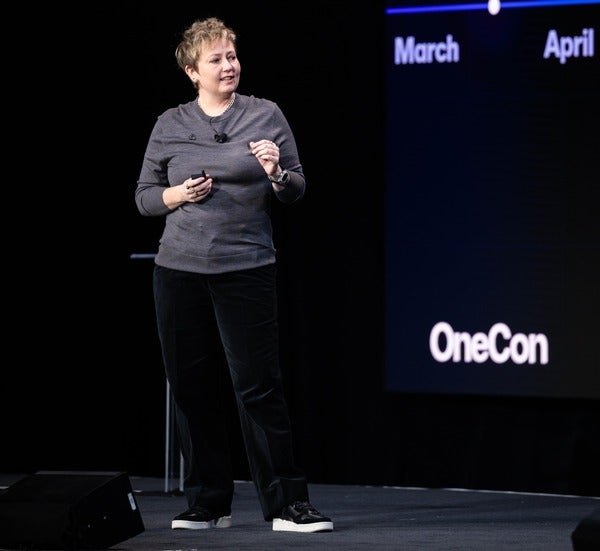
“I never feel like a minority in the room,” she reflects. “That’s almost more rewarding than someone saying ‘good job, you’re a minority and you’re doing great.’ It means our space is so authentically collaborative that my identity is not a distraction.”
Experiences like that have shaped the way Drea thinks about leadership and inclusion. As executive sponsor of SentinelOne’s Pride Network, she focuses on creating environments where people can collaborate openly, contribute confidently, and stay focused on the work in front of them rather than questioning whether they belong.
Her approach is practical and consistent. She encourages executive participation in employee resource groups, invests in opportunities for teams to connect, and works to build an environment grounded in psychological safety and trust.
“When you remove the distraction of wondering if you fit in, people do their best work,” Drea says. “That’s not just good for individuals—it’s good for the business.”
For Drea, progress comes from sustained engagement: leaders who show up consistently, teams that create space for honest collaboration, and cultures that support people throughout the year, not only during moments of visibility or recognition.
A Career Shaped by Curiosity
When Jason Duerden, Associate Vice President, Sales, ANZ, joined SentinelOne in 2021, he was tasked with building the Australia and New Zealand sales function from the ground up. Over the years, his career has taken him across sales leadership, technical roles, and even a year working within corporate marketing — experiences that broadened both his perspective and his approach to leadership.
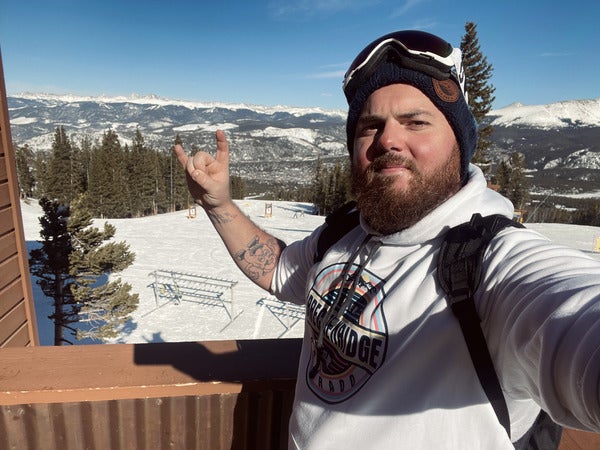
“Back yourself,” he says simply. “No one else is going to back you like you can back yourself.”
That mindset has shaped the way Jason builds teams. He values empathy, curiosity, and creating environments where people feel comfortable taking risks, learning through setbacks, and continuing to grow.
“Our identity as a company has helped me innovate, push boundaries, try and fail and then try and succeed, all in a safe space to be your best self and build amazing teams,” he reflects.
For Jason, inclusive cultures are built through openness and genuine curiosity about the experiences and perspectives of others.
“It’s authenticity,” he says. “People showing up as their true selves, genuinely curious about cultures different from their own. And remembering that at the end of the day, we’re all human.”
Finding Confidence in the Right Environment
Annie Rose Sarkar joined SentinelOne in September 2025 as a Sales Development Representative. From the beginning, she says the experience felt different from previous workplaces, where she often felt pressure to carefully manage how she presented herself professionally.
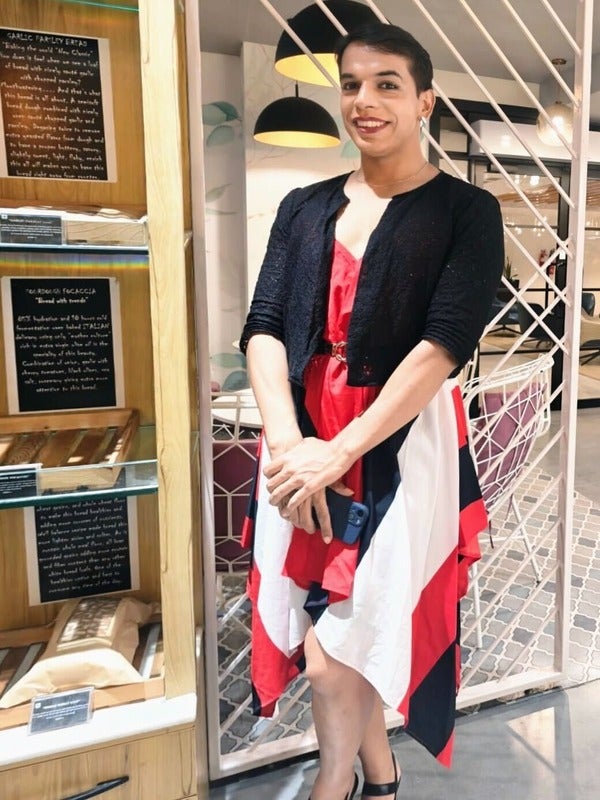
“For the first time, I have not felt like I am something extraordinary, nor have I felt like I am less than anyone around me,” Annie says. “I have simply been treated as a professional, as a peer, and that has meant more to me than I can express.”
That sense of comfort has carried into everyday moments across the company, from team events to quarterly meetups, where Annie says she has felt supported in showing up fully as herself.
The impact has extended into her work as well. In her first two full quarters with an assigned target, Annie consistently surpassed her goals, something she attributes in part to the environment around her.
“When you feel genuinely understood and valued by the people you work with,” she reflects, “it gives you a reason to invest more deeply, to think long-term, and to grow alongside the company rather than simply within it.”
Belonging Shows Up in Everyday Moments
Inclusion can be expressed through policies, programs, and public commitments. But the three Sentinels we spoke with this Pride Month described something more personal: walking out of a room without thinking about what made you different, building a career that reflects who you are, and arriving somewhere you no longer feel the need to calculate the cost of being yourself.
Drea, Jason, and Annie each came to SentinelOne from different backgrounds, roles, and experiences. What connects their stories is the sense of trust and belonging they found here — environments where individuality became part of how they collaborated, led, and grew professionally.
That is what we are proud to celebrate this Pride Month, and what we remain committed to long after June. The measure of an inclusive culture is not defined by a campaign or a single moment on the calendar. It is reflected in the everyday experiences people have with their teams, their leaders, and one another — including the ordinary Tuesdays when people feel comfortable being themselves and focused on the work ahead.