Engineering Intelligence, the theme of this year’s International Women in Engineering Day, arrives at a defining moment for the profession. As artificial intelligence reshapes how technology is built and cybersecurity threats continue to evolve, engineers are being asked to solve increasingly complex problems at unprecedented speed. The theme serves as a reminder that while AI is transforming the tools engineers use, innovation still depends on the human creativity, judgment, and curiosity that drive progress.
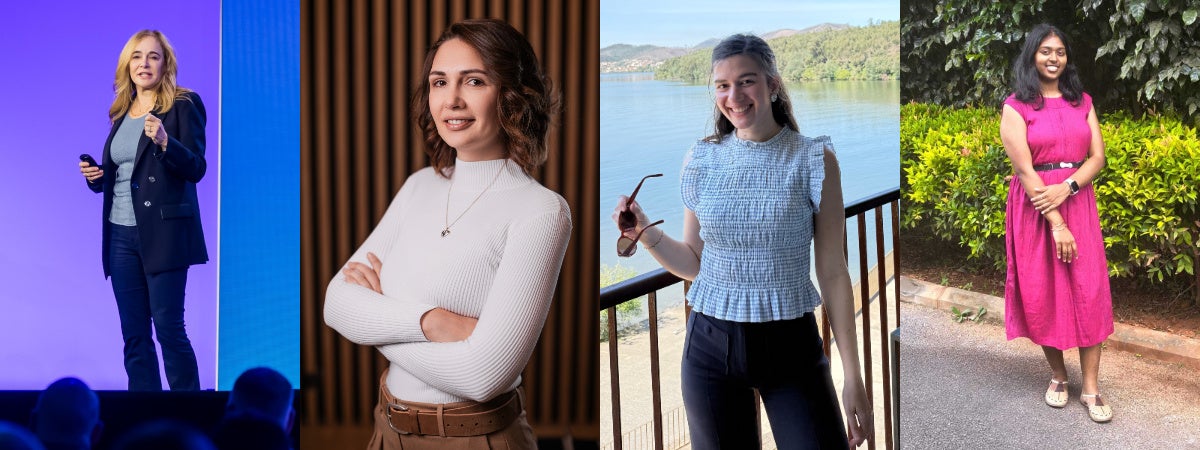
At SentinelOne, women engineers are helping lead that transformation across product strategy, platform architecture, software development, and AI-powered security. To mark the day, we spoke with four engineers whose experiences highlight the adaptability, resilience, and commitment to learning that define engineering excellence.
A Mission of Continuous Learning
For Ana Pinczuk, President, Product and Technology, entering the engineering field began with an unexpected pivot. She originally enrolled in college as a mathematics major with no plans to pursue an engineering degree.
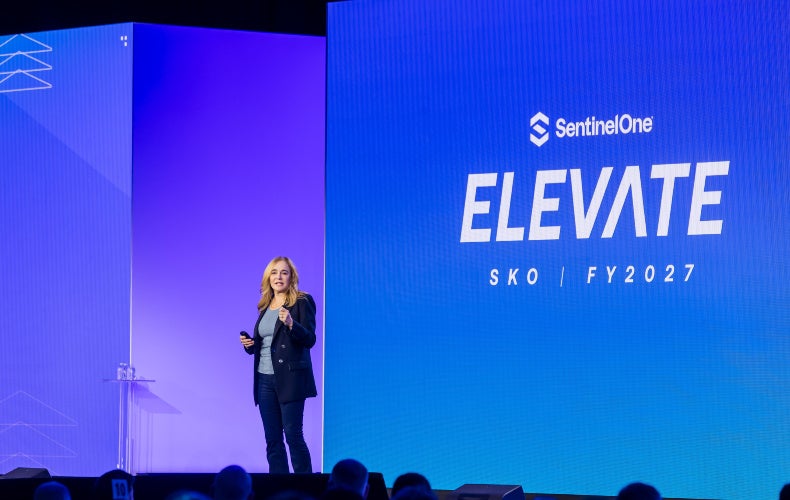 “I actually was not an engineering major to start,” Ana said. “I was a math major, and switched to engineering after a really good friend of mine in college said, ‘Why study math? Have you heard of this engineering thing?’ Back then, there weren’t that many women in engineering. It wasn’t something that you graduated in high school and thought that you were gonna go do. It was really thanks to other women that were in the program that convinced me to go and pursue it.”
The turning point came during her sophomore year. After weeks spent navigating demanding engineering courses in fluid mechanics, vibrations, and mechanical design, Ana and a friend received their exam results and realized they were not only keeping up, they were thriving. The pair celebrated by marching in front of Carpenter Hall, Cornell University’s engineering building, a symbolic moment that confirmed what Ana had begun to suspect: she belonged.
That realization sparked a lifelong commitment to learning. Over the course of her career, Ana has continued to expand her expertise through advanced study, earning four master’s degrees spanning engineering, robotics, technology management, software leadership, and cybersecurity. Today, she still approaches her work with the mindset of a student.
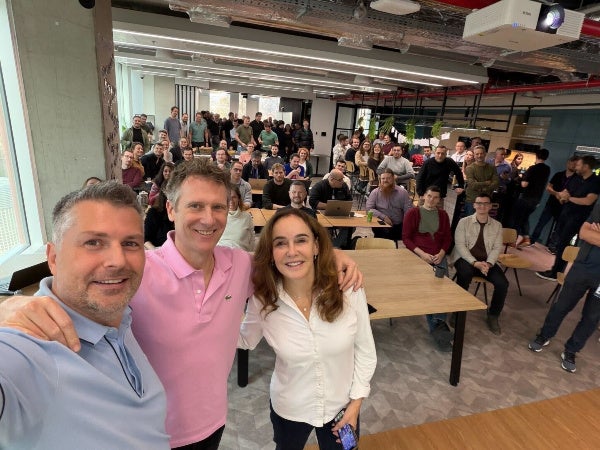 “Engineering is not a static profession; it is always changing,” Ana said. “There is a learning element that brings me great joy because I feel like I’m constantly a novice. I’m always a beginner, trying to learn new things.”
That commitment to continuous learning feels especially relevant today as artificial intelligence reshapes the engineering profession. At SentinelOne, teams are developing capabilities that would have seemed impossible just a few years ago, creating opportunities to experiment, iterate, and solve problems in entirely new ways. For Ana, this moment represents one of the most exciting periods in technology’s history.
“With AI, everybody’s a builder,” she said.
Tasks that once required deep technical expertise are becoming more accessible, allowing people to move from idea to execution faster than ever before. That shift is creating opportunities for more people to experiment, create, and contribute, regardless of where they begin.
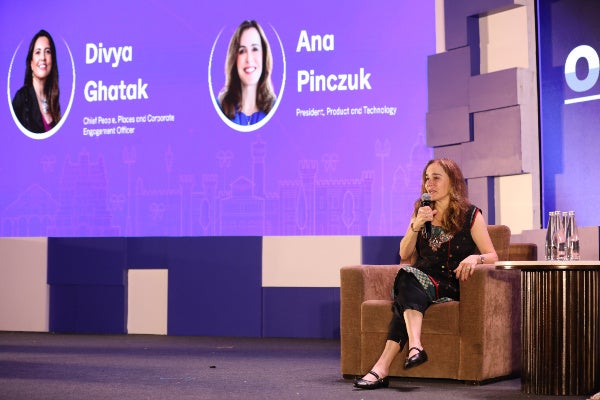 For women considering engineering careers, Ana sees this moment as uniquely exciting.
“The barrier of entry for women to feel comfortable in the field of engineering has really lowered,” she said. “No matter what your passion is, everything has a technology element to it these days. If you have some aptitude, are willing to experiment, and are curious, you can do this.”
Scaling Technical Teams Through High-Trust Leadership
For Yuval Zarad, Senior Manager of Software Engineering, based in Tel Aviv, the path into software development was highly intentional. At fourteen years old, she watched her older brother graduate from a technical programming course and immediately set her sights on engineering, dedicating her early education to building a deep technical foundation. Through this rigorous preparation and self-dedication, Yuval openly discusses utilizing her internal voice as her leadership scope and management responsibilities expanded.
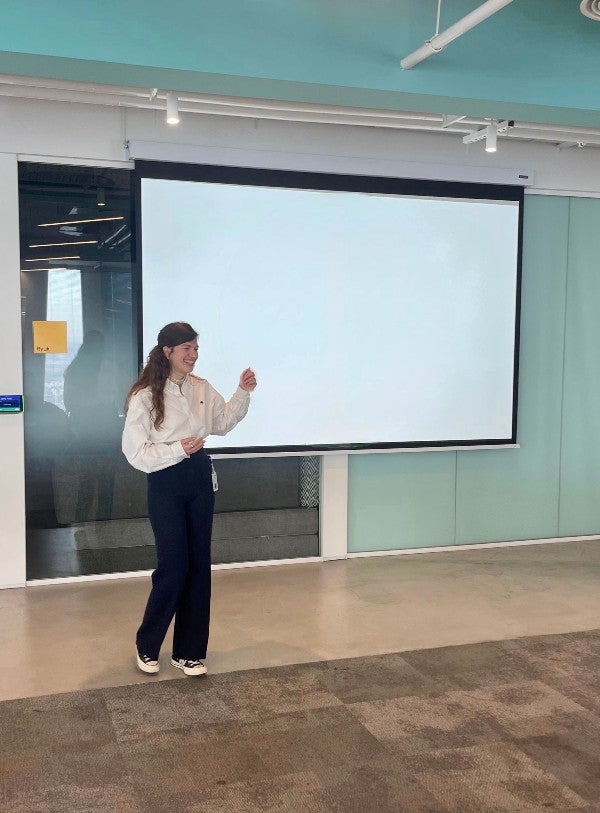 “I often face my internal critic—it’s something that has followed me throughout my career,” Yuval said. “Over time, I’ve learned to use it as a strategic filter rather than a source of hesitation. It helps me focus on where I can have the greatest impact.”
Yuval channels that awareness into an analytical tool for team optimization and operational efficiency. As an engineering manager, she focuses heavily on removing systemic workflow bottlenecks to increase business velocity. When she noticed an operational drag within her organization, she collaborated with her team to introduce structured communication channels and clear ownership frameworks.
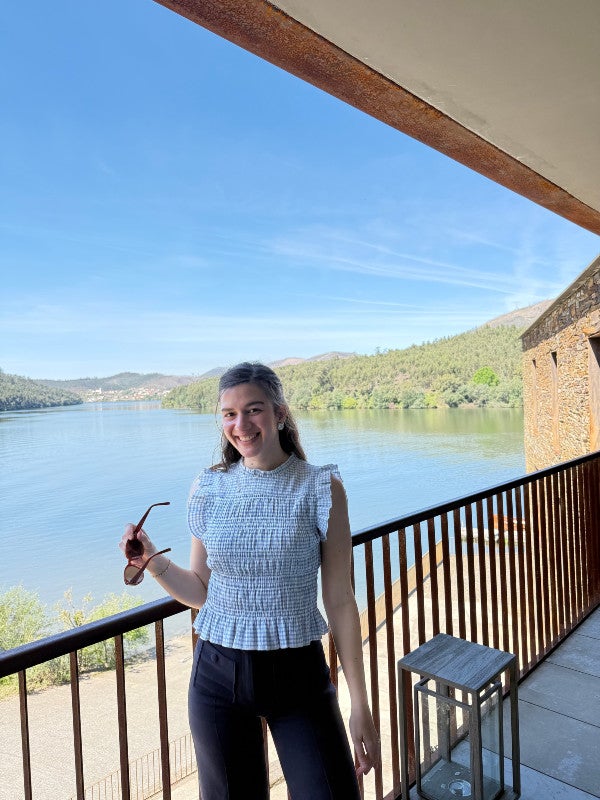 “I introduced these changes and wasn’t sure how they would be perceived,” Yuval said. “One of my employees told me that it was already helping her because it provided clarity. That brought me joy, knowing at least one person is benefiting from it. It’s all about making our environment better, whether it’s for my team, our customers, or the company.”
That experience reinforced an important lesson for Yuval: growth often comes from stepping into unfamiliar territory.
“I’ve felt trusted to learn, adapt, and succeed, with the support I needed along the way,” she said. “At SentinelOne, the opportunities are endless if you’re willing to step up and take ownership.”
Connecting Code to User Experience
 For Tanya Yanuta, a Staff Software Engineer from Prague, Czech Republic, a career in engineering began with curiosity.
“The work satisfied my curiosity, but it was also incredibly rewarding,” she said. “At home, my kids rarely listened to me—when I asked them to do something, they often wouldn’t do it. But when I was coding, the code did exactly what I told it to do, and there was something deeply satisfying about that.”
Today, Tanya’s work is grounded in the impact it creates for customers. While writing code and delivering new features are important parts of the job, she measures success by something much simpler: whether the work makes life easier for the people using the product.
 “I am really happy when I hear user feedback,” she said. “What we are doing is not just for coding, or for the process itself, but it’s for the user. When I hear that what we’ve done resonates with them, that it really helps them work and improves their life, this is what motivates me to move forward.”
That mindset shaped one of Tanya’s most meaningful projects at SentinelOne: taking ownership of a complete redesign of a legacy filtering system and user interface. Despite being relatively new to the project, she stepped into a leadership role and helped drive the initiative forward.
The experience reinforced something she values deeply about SentinelOne’s culture: people are encouraged to take on challenges without feeling like they have to navigate them alone.
 “We have a culture where you’re never left alone with your issues or concerns,” she said. “Management is always open to listen, and there are always people around to give a piece of advice or guide you in the right direction.”
Looking ahead, Tanya is optimistic about where technology is headed. As engineering becomes increasingly collaborative, customer-focused, and driven by innovation, she sees new opportunities for women entering the field and believes diverse perspectives will continue to shape better products and experiences.
“Don’t be afraid,” she said. “Women bring something very valuable to engineering, and this is attention to details. And also, empathy for the user. This is what engineering really needs.”
Bridging Complex Security Architecture with Market Needs
Keerthana K H, an Associate Software Engineer living in Bangalore, did not originally envision a future in engineering.
 Before university, Keerthana planned to pursue medicine and spent her early academic years studying biology. When that path changed, she began exploring engineering and was introduced to cybersecurity for the first time. What started as curiosity quickly grew into a genuine interest as she immersed herself in capture-the-flag competitions, hackathons, and hands-on technical challenges.
“When the changes I made were pushed to production, I still remember seeing that the button updates and UI changes were live in the product,” she said. “Seeing something I created made me feel good about it. It gave me confidence and made me feel good about building things that matter.”
 Today, Keerthana works on the user interface for SentinelOne’s identity security solutions, helping customers navigate complex security information more effectively. She sees the user experience as equally important, shaping how customers understand and respond to critical information.
Keerthana credits much of her growth to the people around her, access to learning resources, supportive teammates, and mentors willing to answer questions.
“Whenever I get stuck or have doubts, I can easily approach my team,” she said. “I feel that I’m not alone.”
That experience has shaped her perspective on what it takes to succeed in engineering. Perfect knowledge is not a prerequisite—curiosity, persistence, and a willingness to keep learning matter far more.
“Don’t stress about learning everything perfectly,” she said. “Focus on being curious, ask tons of questions, and trust your abilities.”
Engineering the Future of Enterprise Technology
The stories shared by Ana, Yuval, Tanya, and Keerthana reflect different paths, disciplines, and career stages. What connects them is a commitment to continuous learning, the confidence to navigate uncertainty, and a focus on building technology that solves real problems.
As artificial intelligence continues to reshape how technology is built, their experiences serve as a reminder that engineering intelligence extends beyond the tools themselves. It lives in the people who ask difficult questions, solve meaningful problems, and turn innovation into impact.
Ready to build what’s next? Learn more about life at SentinelOne and explore open roles on our Careers page.