

The Good, the Bad and the Ugly in Cybersecurity - Week 42 (2026)
The Good | Authorities Arrest Cyber Exec for Extortion & Dismantle DPRK Laptop Farms
The FBI arrested Edward Dubrovsky, a Canadian former cybersecurity executive at incident response and ransomware negotiation firm CYPFER, on charges of conspiracy and extortion. Various reports have linked the arrest to the FBI’s continued crackdown on the ShinyHunters extortion group and their alleged compromise of the FBI’s job portal back in September.
While Dubrovsky has not been officially named a ShinyHunters co-conspirator, FBI Director Kash Patel confirmed on X that agents had arrested "another suspected co-conspirator of the ShinyHunters group". Dubrovsky has since appeared in court and remains in custody.
The FBI says that ShinyHunters and their associates have breached over 140 organizations worldwide and extracted at least $70 million in ransom payments over the past year.
Also this week, the DoJ has charged 14 individuals and seized about 187 devices, including laptops and KVMs used in North Korean remote IT worker schemes. The individuals, a mix of U.S. and Chinese nationals, are being charged with wire fraud, money laundering, and identity theft.
Executed across Texas under “Operation Lonestar Roundup”, federal agents searched 40 residences hosting laptop farms designed to hide the physical locations of North Korean operatives. Twelve of the fourteen remain at large, but authorities were able to arrest two U.S. facilitators, Michael James Bostelle and Juan Cecilio Pena Carrillo, for hosting employer-issued laptops and laundering salary payments.
The FBI warns that workers in these schemes leverage stolen identities, remote-access technology, and proxy infrastructure to secure positions at U.S. companies within several critical industries, generating hundreds of millions collectively every year to fund DPRK weapons programs.
The Bad | Hidden Cellular Implant in Ledger Wallets Leaks Seed Phrases to Attackers
Cryptocurrency wallet manufacturer Ledger has confirmed that one impacted device distributed by CryptoBilis, its Southeast Asian reseller, was compromised with an unauthorized hardware implant potentially designed to drain user funds. After receiving multiple user reports of cryptocurrency theft, Ledger has launched a forensic investigation that identified more cases of hardware modifications in devices sold across regional third-party channels.
Ledger wallets are physical devices that securely store the private keys needed to authorize transactions and manage cryptocurrency assets. An independent breakdown by Mark Karpelès examined the new implanted hardware, which captures the device’s display output and button presses to identify seed phrases before transmitting them to the attacker over an LTE connection. Tibane Labs, confirmed Karpelès’ findings and further found two implant variants for Ledger Nano X devices: one fitted beneath the battery compartment and the other under the OLED display.
Since the hardware implant operates as an isolated component without altering the Ledger Secure Element chip or the onboard operating system, the tampered devices were able to pass Ledger’s built-in verification checks. Compromised devices have also been reported through unauthorized sellers in Europe and airport retail kiosks in Singapore.
So far, Ledger has advised affected customers to transfer assets to uncompromised signers, requested CryptoBilis to pause all sales, and suspended wallet sales across all distributors in Southeast Asia and Hong Kong pending security reviews.
In response to growing supply chain risks across the industry, other hardware wallet vendors have joined the conversation, announcing plans to reduce reseller networks and enforce stricter distribution standards.
The Ugly | Remote Attacks on Refrigeration Systems Across France Cause Millions of Euros in Losses
Threat actors remotely breached internet-connected refrigeration controllers overnight across multiple major French supermarket chains, raising internal temperature settings to as high as 50°C by triggering automatic defrost cycles. The coordinated cyberattack affected around 700 stores, including Intermarché, Coopérative U, Carrefour Market, Monoprix, and Super U. The attack forced store operators to dispose of fresh and frozen food stock with Intermarché’s CEO estimating tens of millions of euros in financial damages.
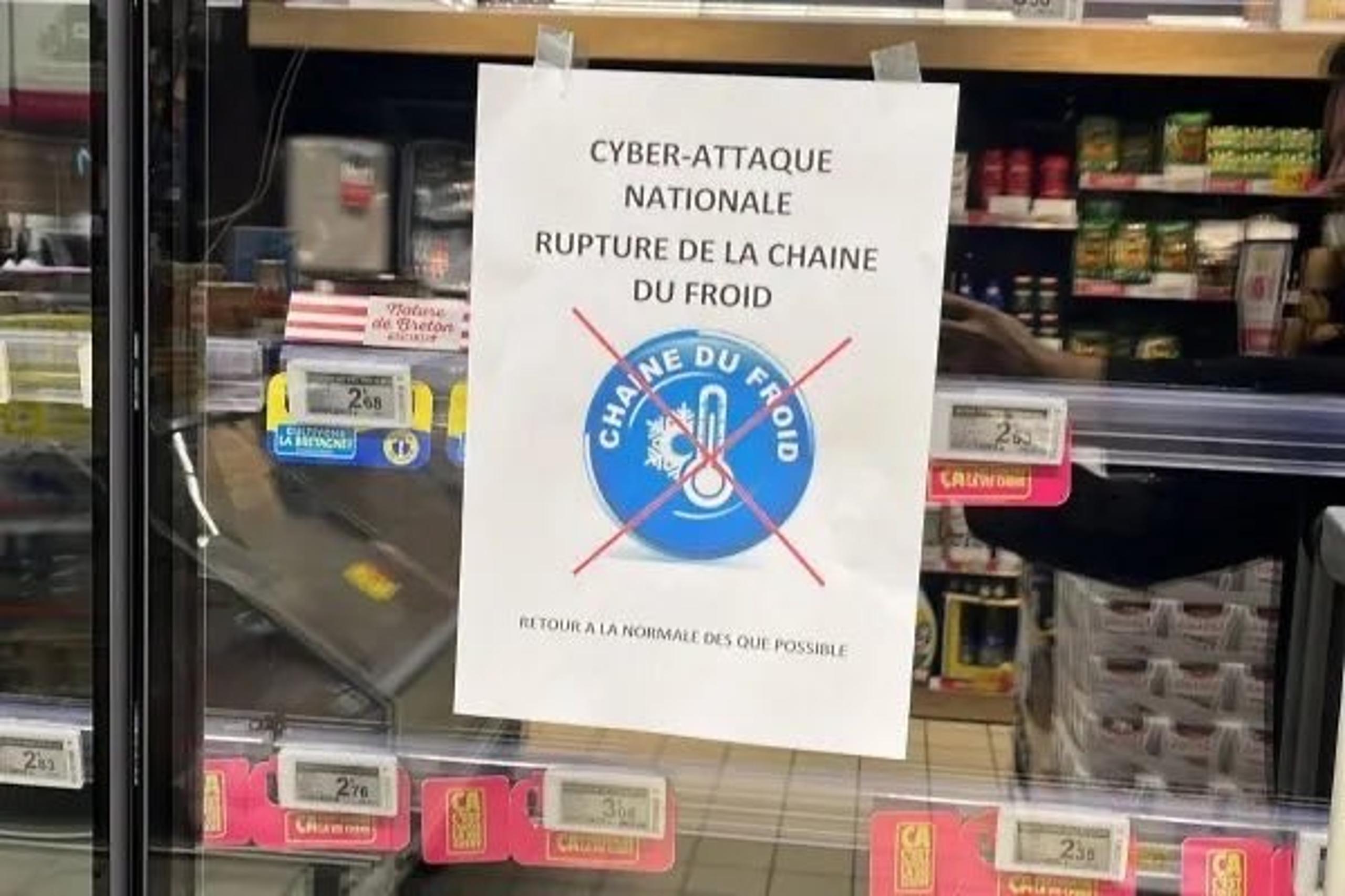
Investigators with the Paris prosecutor's office have opened a formal inquiry into the cyber incident following reports of widespread foodstuff losses and electrical equipment fires across affected retail facilities.
The intrusion targeted Danfoss AK-SM/AK-SC and Copeland/Dixwell XWEB refrigeration control units, many of which were legacy devices that no longer receive vendor security updates. French cybersecurity emergency response team CERT-FR issued an urgent advisory instructing operators to immediately disconnect exposed controllers or restrict network access.
Tom Hegel, Distinguished Threat Researcher and Research Lead at SentinelLABS, noted how the incident bears the hallmarks of a nation-state cyber operation aimed at low-cost, deniable sabotage across European infrastructure. With no extortion demands or hacktivist claims made, the attack fits a broader pattern of disruptive activity targeting critical retail supply chains.
Hegel highlighted that retail environments are particularly vulnerable because large estates of building management and refrigeration controllers are often deployed by facilities contractors without enterprise security team involvement.
He pointed to a similar disruption that occurred at U.S. military commissaries in August where freezers on multiple bases failed within a day of each other. Hegel’s advice to retailers is to take these controllers off the public internet, enforce strong authentication, and replace hardware that no longer receives security updates.
Related Articles