Phil Stokes is a Research Engineer at SentinelOne, specializing in macOS threat intelligence, platform vulnerabilities and malware analysis. He began his journey into macOS security as a software developer, creating end user troubleshooting and security tools just at the time when macOS adware and commodity malware first began appearing on the platform. Phil has been closely following the development of macOS threats as well as researching Mac software and OS vulnerabilities since 2014.
Threat actors have the know-how to develop campaigns that target your weakest link. Learn how Lazarus APT took their malware to Apple’s macOS platform.
Join us in the final part of our introduction to macOS malware reverse engineering as we explore LLDB, dynamic binary analysis, reading registers and more.
Continue learning how to reverse malware on Apple macOS with Part 2 in our series. Learn about Apple's Mach-O native binary format and how to decode it
Ever wanted to learn how to reverse malware on Apple macOS? This is the place to start! Join us in this 3-part series on macOS reverse engineering skills.
PDF files are great for users, and crafted PDFs are great for cybercriminals! How do attackers turn a PDF into a malicious attack vector? Find out here!
Do Apple Macs get infected with malware? Do Apple's built-in protections mean Macs are secure? We take a look inside macOS endpoint security to find out.
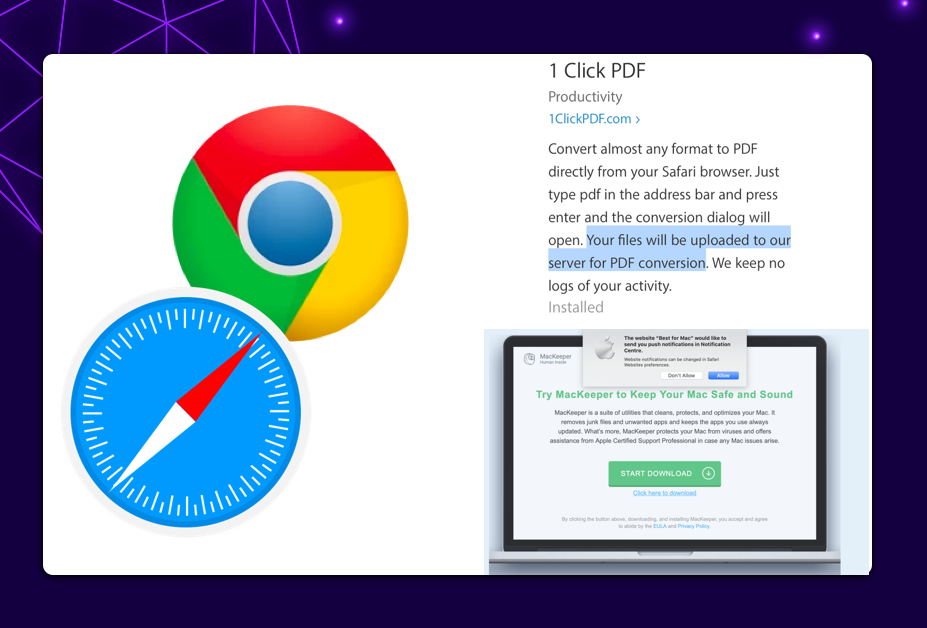
Browser extensions hijacking search queries may do more than just deliver unwanted ads. What are the risks, and will your browser protect you? We find out.
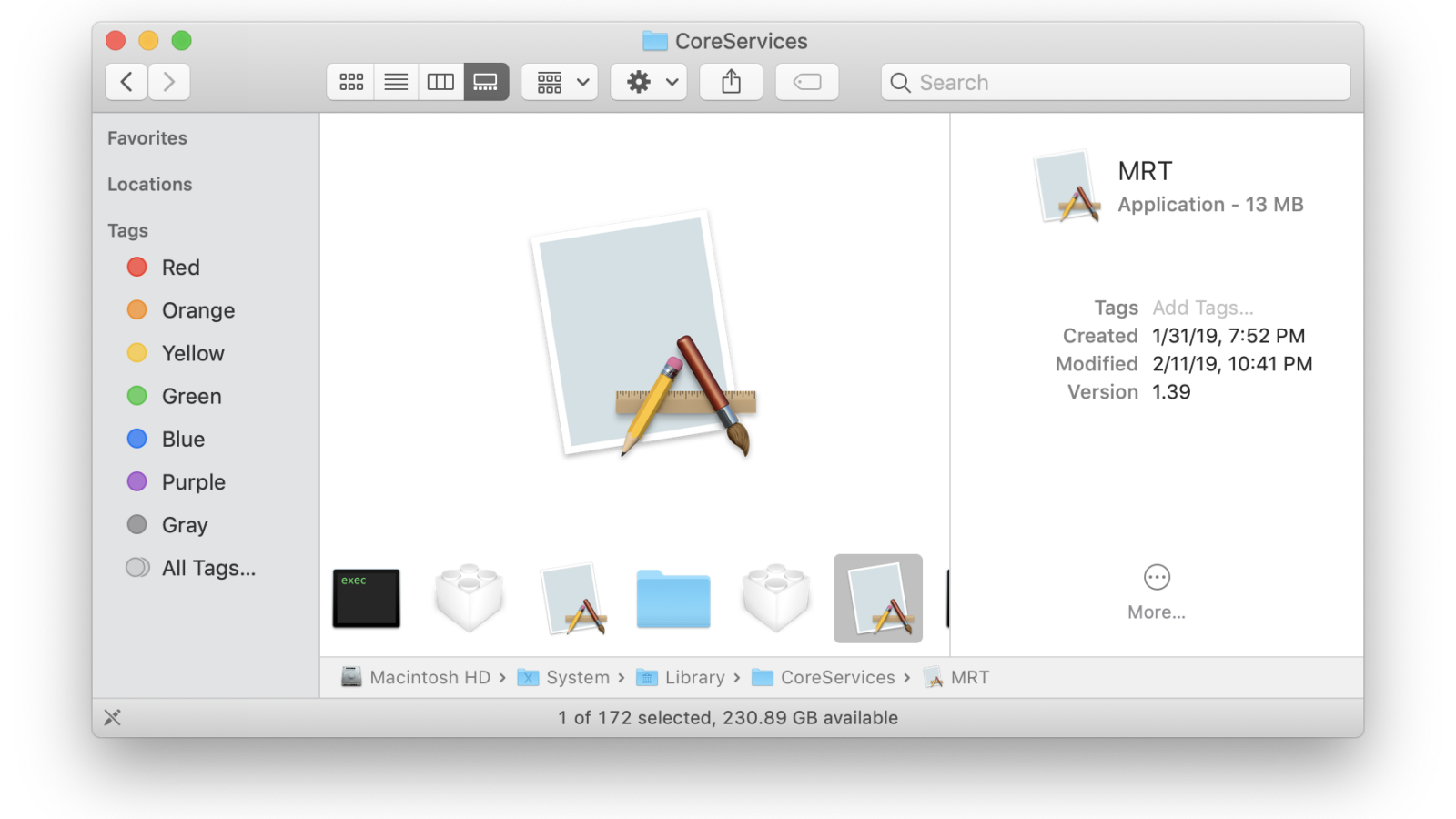
Apple's little known malware removal tool gets a signature update. But what is this new malware family MACOS.35846e4? Find out on this journey inside MRT