Dagon Locker Ransomware: In-Depth Analysis, Detection, and Mitigation
What Is Dagon Locker Ransomware?
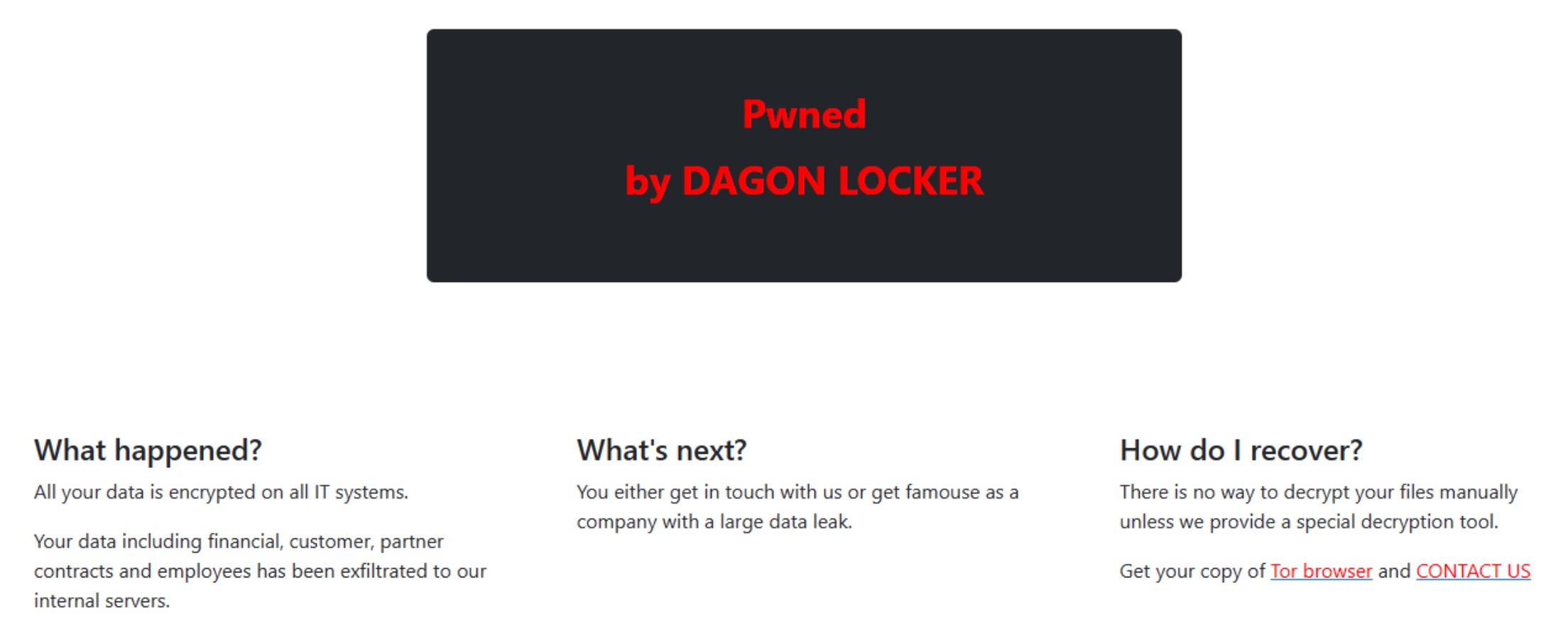
Dagon Locker emerged in September 2022 as an evolution of Quantum ransomware. The threat group practices double extortion – demanding payment for a decryptor, as well as for the non-release of stolen data. Dagon Locker operates as a Ransomware-as-a-Service (RaaS), and is delivered primarily via phishing emails.
What Does Dagon Locker Ransomware Target?
Targeting varies by affiliate, however, a majority of the Dagon Locker ransomware activity has been focused within South Korea.
How Does Dagon Locker Ransomware Work?
Dagon Locker uses the ChaCha20 encryption algorithm for individual file encryption and RSA2048 for their encryption keys. Dagon Locker operators attempt to terminate numerous processes upon launch to ensure full and unfettered access to the file system. Once encrypted, file extensions will be changed to “.dagoned”.
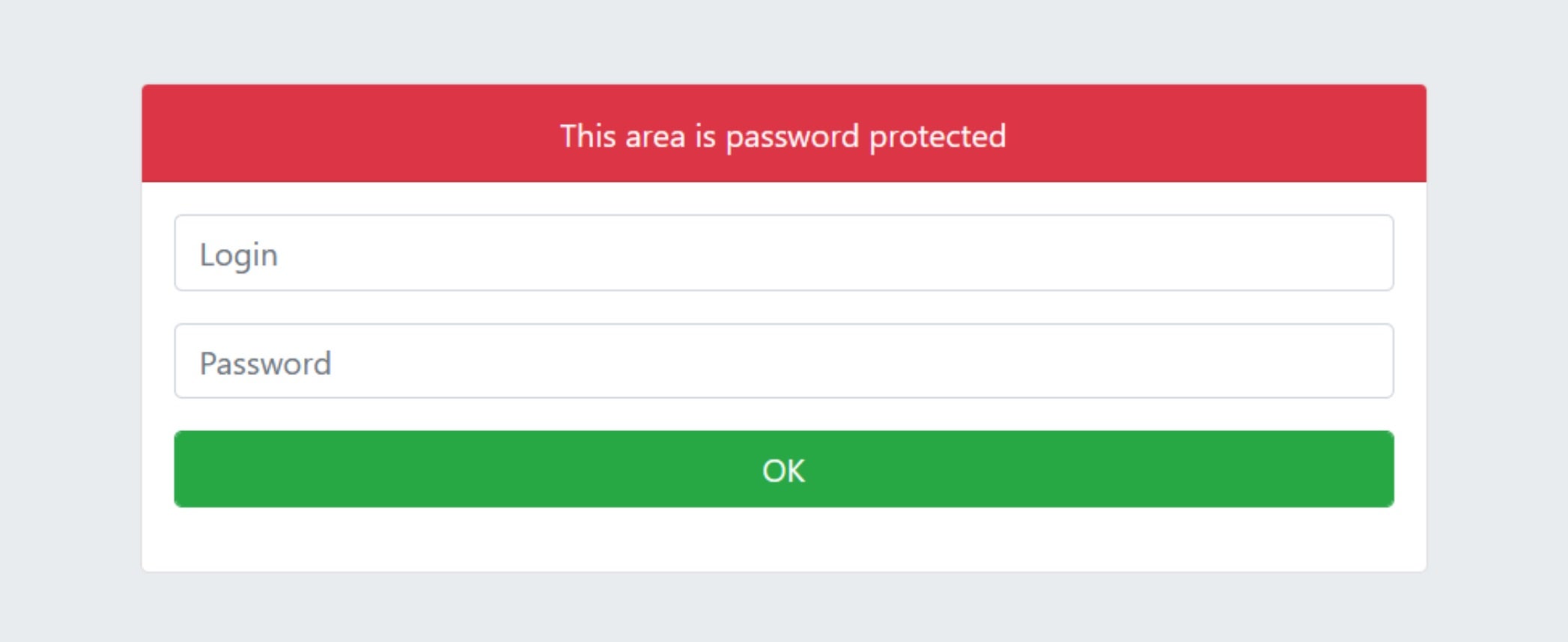
Further, Dagon Locker is an evolution of MountLocker and Quantum ransomware. Dagon payloads can accept command-line arguments to restrict or target the encryption process. Available command-line options include:
- NOLOG – Omit writing of Dagon Locker .log file
- NODEL – Omit process/file deletion
- NOKILL – Omit process termination (internal list)
Common system utilities and endpoint security products are included in the Dagon Locker ‘kill list” as shown below:
- agntsvc.exe
- dbeng50.exe
- dbsnmp.exe
- dumpcap.exe
- encsvc.exe
- excel.exe
- firefoxconfig.exe
- infopath.exe
- ipython.exe
- isqlplussvc.exe
- msaccess.exe
- msftesql.exe
- mspub.exe
- mydesktopqos.exe
- mydesktopservice.exe
- mysqld-nt.exe
- mysqld-opt.exe
- mysqld.exe
- ocautoupds.exe
- ocomm.exe
- ocssd.exe
- onenote.exe
- oracle.exe
- outlook.exe
- powerpnt.exe
- procexp.exe
- procexp64.exe
- procmon.exe
- procmon64.exe
- python.exe
- QBW32.exe
- QBW64.exe
- sqbcoreservice.exe
- sqlagent.exe
- sqlbrowser.exe
- sqlservr.exe
- sqlservr.exe
- sqlwriter.exe
- steam.exe
- synctime.exe
- tbirdconfig.exe
- thebat.exe
- thebat64.exe
- thunderbird.exe
- visio.exe
- winword.exe
- wordpad.exe
- wpython.exe
- xfssvccon.exe
All user and environmental details are logged to a text file and made available to the attackers upon exfiltration. Analyzed samples of Dagon Locker ransomware do not appear to delete or affect VSS (Volume Shadow Copies).
How to Detect Dagon Locker Ransomware
The SentinelOne Singularity XDR Platform can identify and stop any malicious activities and items related to Dagon Locker Ransomware.
In case you do not have SentinelOne deployed, detecting Dagon Locker ransomware requires a combination of technical and operational measures designed to identify and flag suspicious activity on the network. This allows the organization to take appropriate action, and to prevent or mitigate the impact of the ransomware attack.
To detect Dagon Locker ransomware without SentinelOne deployed, it is important to take a multi-layered approach, which includes the following steps:
- Use anti-malware software or other security tools capable of detecting and blocking known ransomware variants. These tools may use signatures, heuristics, or machine learning algorithms, to identify and block suspicious files or activities.
- Monitor network traffic and look for indicators of compromise, such as unusual network traffic patterns or communication with known command-and-control servers.
- Conduct regular security audits and assessments to identify network and system vulnerabilities and ensure that all security controls are in place and functioning properly.
- Educate and train employees on cybersecurity best practices, including identifying and reporting suspicious emails or other threats.
- Implement a robust backup and recovery plan to ensure that the organization has a copy of its data and can restore it in case of an attack.
How to Mitigate Dagon Locker Ransomware
The SentinelOne Singularity XDR Platform can return systems to their original state using either the Repair or Rollback feature.
In case you do not have SentinelOne deployed, there are several steps that organizations can take to mitigate the risk of Dagon Locker ransomware attacks:
Educate employees: Employees should be educated on the risks of ransomware, and on how to identify and avoid phishing emails, malicious attachments, and other threats. They should be encouraged to report suspicious emails or attachments, and to avoid opening them, or clicking on links or buttons in them.
Implement strong passwords: Organizations should implement strong, unique passwords for all user accounts, and should regularly update and rotate these passwords. Passwords should be at least 8 characters long, and should include a combination of uppercase and lowercase letters, numbers, and special characters.
Enable multi-factor authentication: Organizations should enable multi-factor authentication (MFA) for all user accounts, to provide an additional layer of security. This can be done through the use of mobile apps, such as Google Authenticator or Microsoft Authenticator, or through the use of physical tokens or smart cards.
Update and patch systems: Organizations should regularly update and patch their systems, to fix any known vulnerabilities, and to prevent attackers from exploiting them. This includes updating the operating system, applications, and firmware on all devices, as well as disabling any unnecessary or unused services or protocols.
Implement backup and disaster recovery: Organizations should implement regular backup and disaster recovery (BDR) processes, to ensure that they can recover from ransomware attacks, or other disasters. This includes creating regular backups of all data and systems, and storing these backups in a secure, offsite location. The backups should be tested regularly, to ensure that they are working, and that they can be restored quickly and easily.
Frequently Asked Questions
Dagon Locker is a newer ransomware strain that first appeared in early 2023. The attackers target businesses and encrypt their data. They demand payment in cryptocurrency for the decryption key. Dagon Locker leaves ransom notes named “README_DAGON.txt” on infected systems. The operators threaten to leak stolen data on their dark web site if ransom demands aren’t met.
Dagon Locker mainly targets North America, Western Europe, and Australia organisations. The attackers will focus on English-speaking countries with high GDP and avoid systems with languages from Eastern European countries. If you operate in these targeted regions, your risk is higher. Dagon Locker will select victims based on their potential ability to pay large ransoms.
Dagon Locker uses a combination of AES-256 and RSA-4096 encryption algorithms. The malware generates unique encryption keys for each victim. It encrypts files in two passes to ensure data can’t be recovered. You can’t break this encryption with current technology. Dagon Locker keeps the private key on the attackers’ servers, making decryption impossible without their help.
Dagon Locker encrypts most file types, including documents, images, databases, and backups. It appends the “.dagon” extension to all encrypted files. The ransomware skips system files to keep the computer operational. If you check the modified files, you’ll see they’re completely inaccessible. Dagon Locker also deletes volume shadow copies to prevent easy recovery.
Common Dagon Locker indicators include the “README_DAGON.txt” ransom note on the desktop and in encrypted folders. You can spot files with the “.dagon” extension across your system. The ransomware will turn off security software and create persistence mechanisms. There are unusual PowerShell commands in the system logs. You’ll see connections to command and control servers if you monitor network traffic.
Implement application allowlisting to prevent unknown executables from running. You can use email filtering to block phishing attempts that deliver Dagon Locker. Keep your systems patched and updated regularly. Set up network segmentation to limit lateral movement. If you have critical data, maintain offline backups that Dagon Locker can’t reach. Train your employees to recognise social engineering attempts.
Isolate infected systems immediately to prevent the ransomware from spreading. For assistance, contact cybersecurity experts and law enforcement. Activate your incident response plan and assess which systems and data are affected. If you have clean backups, prepare for restoration. Document the infection timeline and collect all ransom notes. Don’t communicate with attackers unless advised by security professionals.