Assaf Carlsbad is a security researcher and a member of the Innovation team at SentinelOne. Previously, he spent nearly six years at Unit 8200, where he took part in various R&D projects. His current interests include reverse engineering, Windows kernel security and digging into UEFI firmwares.
In Part 4 of our UEFI Internals and Exploitation series, we abandon VMs and dive into UEFI on a physical machine. The quest: recovery of the S3 Boot Script.
In Part 3 of our series on emulating, debugging and fuzzing UEFI modules, we provide a step-by-step guide to making a coverage-guided fuzzer for UEFI code.
The first in a series of posts for researchers on how to emulate, debug and fuzz UEFI modules, we begin with a refresher on how to dump SPI flash memory.
In the 2nd research of SKREAM, our researchers suggest a generic way to mitigate pool overflow vulnerabilities, based on randomizing the pool allocation
Introduction Last time (part 1, part 2) we demonstrated several different methods for injecting 64-bit modules into WoW64 processes. This post will pick up where we left off and describe how the ability to execute 64-bit code in such processes can be leveraged to hook native x64 APIs. To accomplish this task, the injected DLL […]
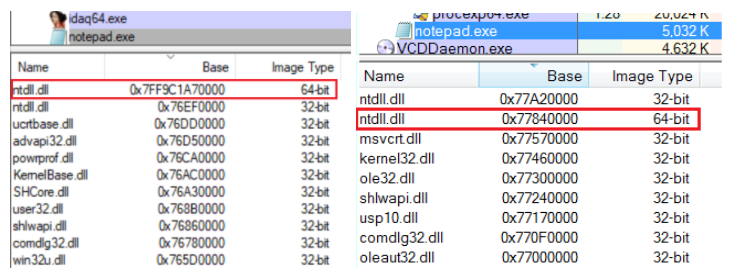
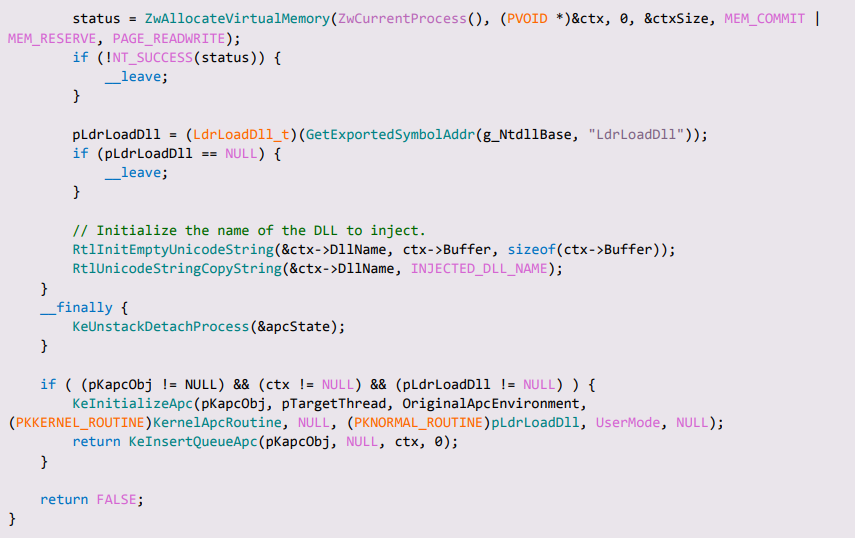
Where we left off In the first part of this series we presented several injection methods capable of injecting 64-bit DLLs into WoW64 processes, with the intention to eventually use this DLL to hook 64-bit API functions in the process. We finished the post by presenting injection via APC, and saw that, when tested to […]