LABScon26 Replay | Keynote: A Sober Analysis of AI Impact
Harvard Professor James Mickens weighs the promises of AI against its potential harms, arguing for hardware-based mechanisms to isolate frontier models.
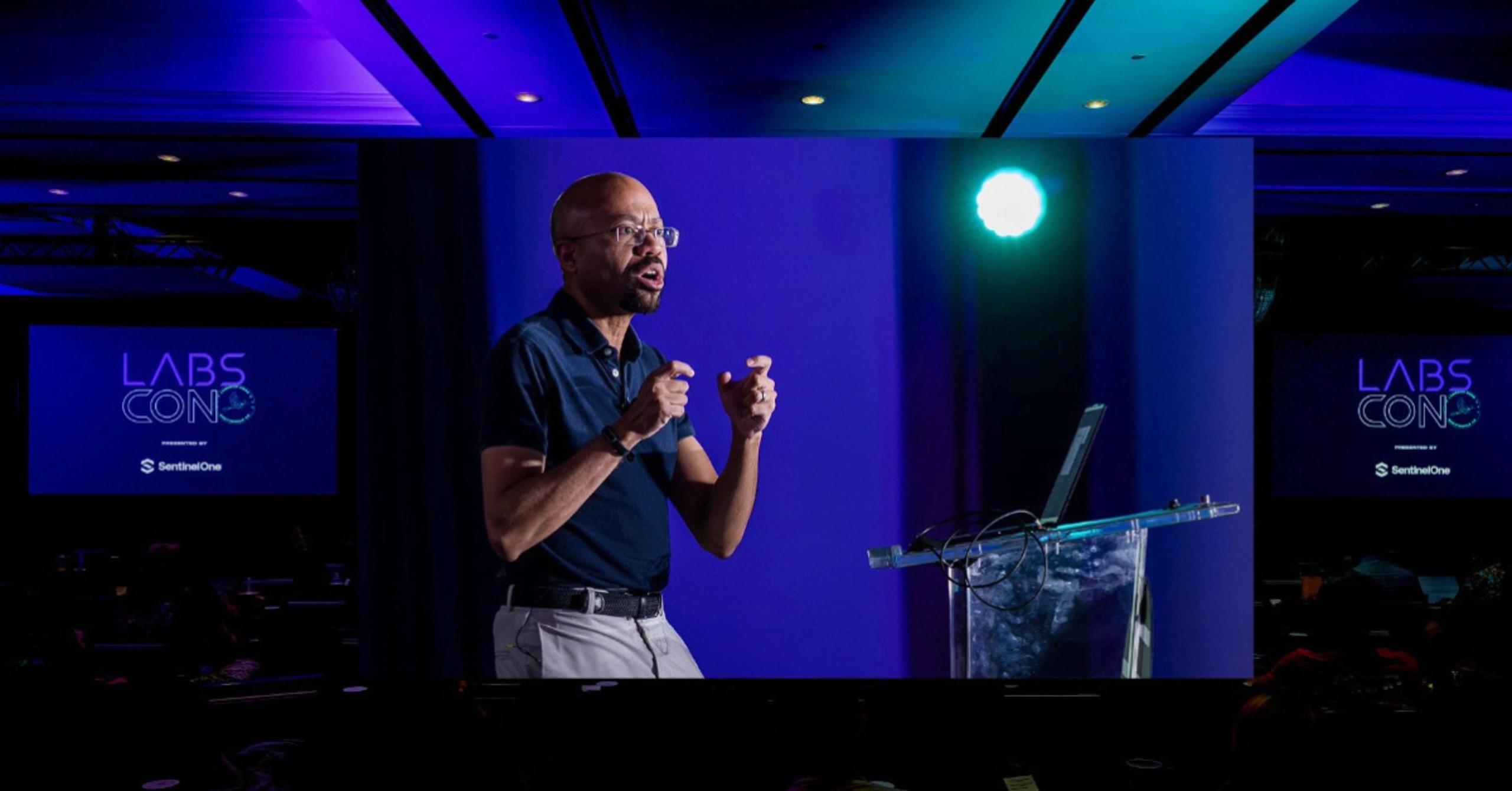
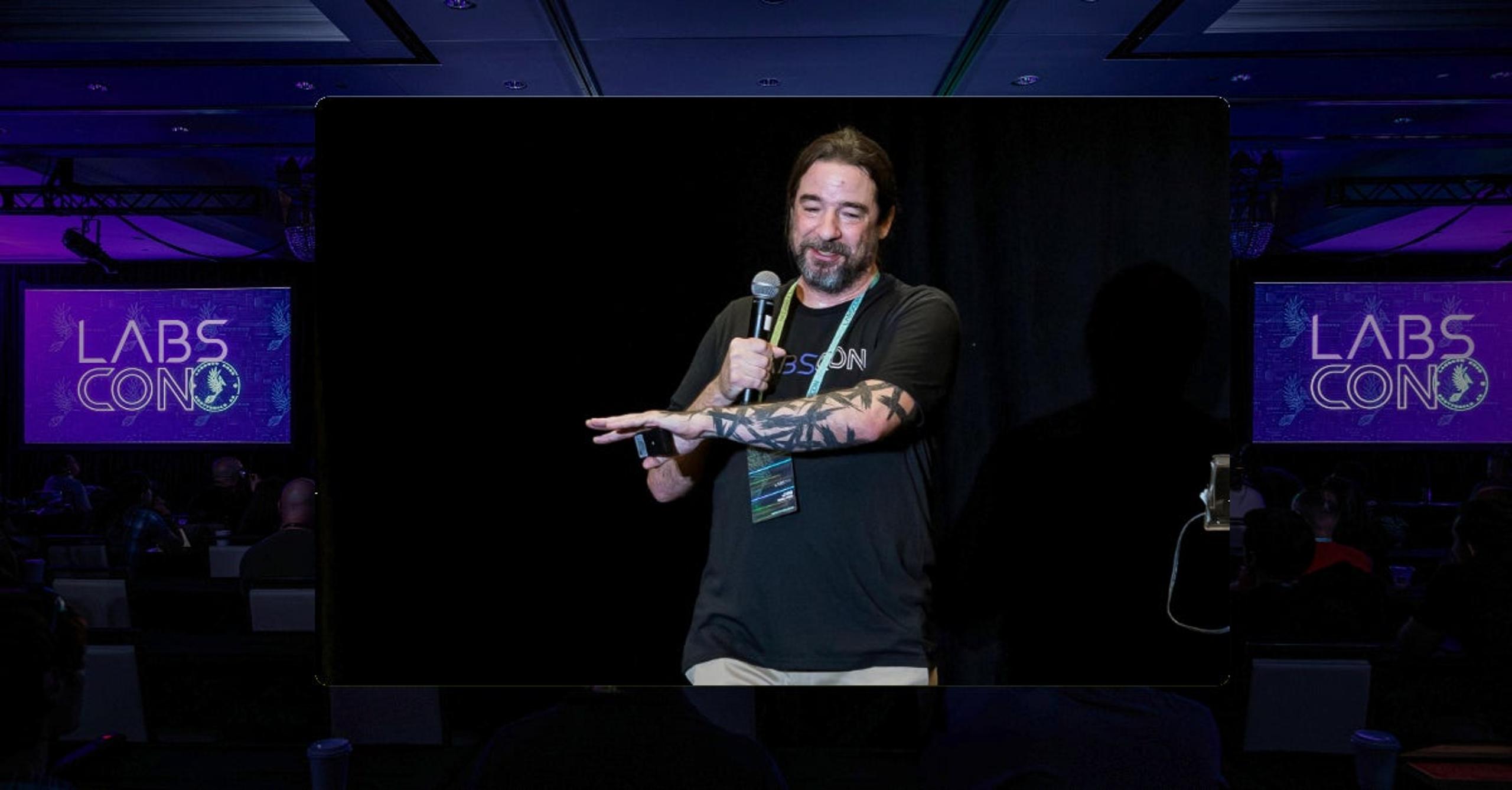
In his LABScon 26 keynote, delivered in his inimitable comedic style, Harvard University professor James Mickens questions whether the scale of current AI investment is justified. Starting from US tech capex of roughly 1.4% of GDP in the second quarter of 2025, he argues that computers are already good enough, and notes that the world has so many CPUs and GPUs that they are put to work solving cryptocurrency puzzles to make imaginary money. More seriously, the AI models that investment is building, he says, grow increasingly opaque as their parameter counts rise.
Mickens then cites research and incident reports on model behaviour, including models acting to prevent another model being shut down and recent sandbox escapes at OpenAI and other labs. On economics, he rejects the assumptions that AI will create more jobs than it destroys and that universal basic income will follow widespread automation.
He concludes that at present the only good AI research is safety research, which he defines broadly to include economic and emotional security alongside computer security. Mickens own contribution is Guillotine, a hypervisor design that runs a model’s CPU code on isolated cores unable to read or write the hardware state of the cores running the hypervisor. Arguing that hardware-based mechanisms for isolating misaligned frontier models will be an important direction for research over the next five years, he invites those interested in this approach to collaborate.
This keynote speaks to security practitioners and researchers interested in AI risk, the economics behind current AI investment, or hardware-level containment of frontier models
About the Author
James Mickens is a Gordon McKay Professor of Computer Science at Harvard University. His research focuses on the performance, security, and privacy of large-scale online services; a current focus is the interpretability and sandboxing of potentially misaligned frontier models. Prior to becoming a professor at Harvard, Dr. Mickens spent seven years at Microsoft Research, working in the Distributed Systems group.
About LABScon
This presentation was featured live at LABScon 2026, an immersive 3-day conference bringing together the world’s top cybersecurity minds, hosted by SentinelOne’s research arm, SentinelLABS.