Linux 端點防護:主要挑戰與最佳實務
Linux 端點防護對於在當今的資安環境中保護系統至關重要。本文將說明企業在 2025 年保護其 Linux 使用者與裝置時所面臨的阻礙。我們也會討論您可採用的最佳實務,以確保組織內整個 Linux 基礎架構都能獲得強健防護。

隨著 SaaS 產業成長與網路風險升高,Linux 端點防護旨在保護使用者及其裝置免受網路攻擊。 一個典型案例是勒索軟體攻擊,該攻擊於 2024 年 7 月使洛杉磯整個司法網路停擺。
本文將討論如何保護 Linux 使用者及其端點免受網路攻擊。我們也會說明 Linux 端點防護面臨的諸多挑戰,以及相應的可行解決方案。我們的目標是讓 Linux OS 使用者具備所需的完整知識,以確保其資料在透過 IoT 建立的每一次通訊中都能保持安全。
什麼是 Linux 端點防護?
Linux 端點是指在 Linux OS 網路中運作的所有裝置與硬體。為了保護整個架構免受網路威脅、未經授權的存取、惡意軟體及其他風險,會部署一系列技術與軟體。所有這些安全措施,例如防毒、防火牆、資料加密、存取控制等,共同定義了 Linux 端點防護的流程。
為什麼 Linux 端點防護至關重要?
讓它如此「炙手可熱」的特性——其開放原始碼介面—— 也是 Linux 容易遭受攻擊的原因。Elastic 的 Global Threat Report 指出,Linux 現已成為受影響最嚴重的端點,約占 91.2% 的惡意軟體感染。
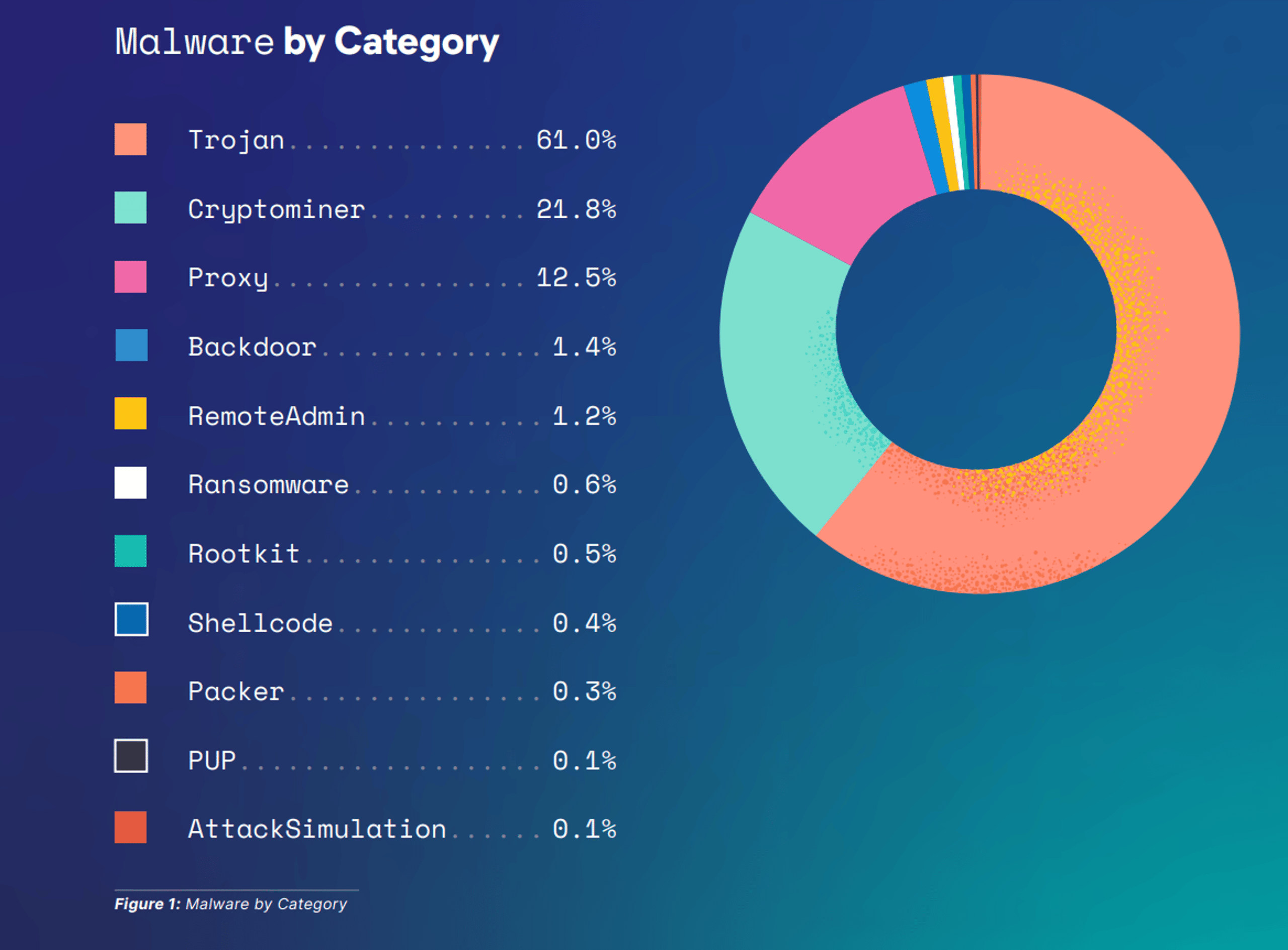 鑑於這些攻擊的多樣性,Linux 端點防護因以下原因而變得至關重要:
-
不斷擴大的威脅態勢
有關資料外洩與未經授權存取敏感資料的新聞屢見不鮮。2023 年 12 月,背景調查服務 National Public Data 遭受網路攻擊,導致近 30 億人的個人資料外洩。因此,基於 Linux 的系統需要實施更強健的安全措施,以保護自身免受持續演變的威脅。
-
資料安全疑慮
如今,大多數企業都需要儲存資料,即使這些資料毫無用處也是如此。即使您在手機上安裝新應用程式,也必須授權其存取資料。這些資料包含敏感資訊與智慧財產,若落入不當之手,可能在全球造成重大干擾。當您保護這些 Linux 端點時,也是在保護機密資訊。
-
資料合規要求
許多產業都已實施嚴格的資料保護措施。企業會受到徹底評估,以檢查其資料保護政策是否已到位。否則,任何缺失都可能導致高額罰款,並有失去市場聲譽的風險,尤其是在客戶之間。Linux 端點防護措施可協助企業遵循這些法規,並避免罰款及其他法律問題。
-
基礎架構保護
Linux 在企業環境中被廣泛使用,尤其是在雲端伺服器上。單一遭入侵的端點就可能使整個系統停擺,並在組織內造成重大中斷。為了防止這類難以承受的損失並縮小攻擊面,通常建議透過端點防護增加一層額外的安全防護。
-
營運的長期延續
一個常見的迷思是 Linux 端點較不容易遭受攻擊。各種形式威脅的增加已使 端點防護 成為必要。有時,不小心授權駭客存取權限,可能導致停機並損害公司的聲譽。建立安全的 Linux 環境可以在公司與其利害關係人之間建立信任、保護聲譽、延長營運壽命,並確保長期成功。

A Four-Time Leader
See why SentinelOne has been named a Leader four years in a row in the Gartner® Magic Quadrant™ for Endpoint Protection Platforms.

Linux 端點防護的 5 項主要功能
從行為分析到入侵偵測與防禦系統,構成 Linux 端點防護的功能相當全面。這些功能會定期升級,以因應大多數網路攻擊不斷變化的特性。在尋找端點防護解決方案時,應注意的主要功能包括:
- 防毒與反惡意軟體:Linux 端點防護解決方案的主要功能,是偵測並移除針對 Linux 系統的惡意活動。它使用防毒與反惡意軟體工具,持續掃描檔案、應用程式與系統程序中的異常
- 即時監控與報告:任何以 Linux 端點防護為目標的解決方案,都必須即時掌握整個 Linux 裝置群的健康狀況。集中式儀表板上的歷史資料與詳細報告,將有助於做出更好的決策,以提升整體安全性
- 可擴充且靈活:大多數端點解決方案都具備可擴充性與靈活性,可配合組織規模並適應其基礎架構,無論是雲端運算網路還是部署於本地端的機器
- 集中式管理主控台:Linux 端點防護提供統一介面,讓您可同時監控多個端點,並處理待完成的安全政策。將安全工作流程自動化,也有助於減輕 IT 團隊的負擔
- 行為分析:Linux 端點防護會使用技術來偵測使用者與系統行為中的任何異常。這有助於識別任何未經授權的系統存取,並防止在可預見的未來發生潛在攻擊。
Linux 端點防護中的 3 項常見挑戰
Linux 自誕生以來已走過漫長的發展歷程。即使是最受歡迎的行動作業系統 Android,其運作也使用 Linux 核心。儘管它是全球最大的開放原始碼專案,仍然存在弱點,並伴隨著自身的一系列挑戰:
#1. 未被察覺的安全漏洞
Linux 被視為一個由數百名開發人員共同貢獻的社群專案。一個常見的假設是,既然有這麼多開發人員投入發行版系統,他們應該能夠識別並修正所遇到的任何錯誤或威脅。Shellshock 漏洞(也稱為 Bash Bug)就是這樣的案例,它是 Linux 系統中的重大安全缺陷。
此漏洞最早於 2014 年被發現,會讓攻擊者能在不同格式的環境變數上執行任意程式碼,並取得對系統的未經授權存取。為降低風險,建議 Linux 使用者執行安全更新並套用修補程式。儘管 Shellshock 的影響已逐漸降低,這個未預見的安全漏洞仍促使 Linux 系統必須採取嚴格的安全措施。
然而,他們很可能在專注於改善 Linux 系統時忽略這些問題。當務之急是部署更先進的安全系統。
#2. 持續演變的病毒與惡意軟體
Linux 越來越常用於雲端基礎架構與 IoT。這種日益提升的普及度也引起了網路犯罪分子的注意,他們正尋找機會大規模破壞系統。根據 Trend Micro 的資料,從 2022 年到 2023 年,Linux 系統上的勒索軟體攻擊嘗試增加了 62%。
在最近一段時間內,像 BlackCat ransomware 這類勒索軟體攻擊讓 Linux 系統暴露於更多風險之中。在這種情況下,網路勒索者會進入網路、竊取敏感資料並加密檔案。接著,他們會利用這些資料勒索金錢,或威脅公開遭竊資料。如今已毫無疑問,攻擊者正持續開發更新型態的病毒、malware 與勒索軟體,隨時攻擊 Linux 端點。
#3. 敏感資訊面臨的額外風險
儘管 Linux 已具備良好的安全程序,例如資料加密與防火牆驗證,但許多使用者將資料保護視為理所當然,並忽略在其系統中加入資料安全措施。這導致許多妨礙 Linux 效能的挑戰,例如內部威脅、使用者權限管理不佳,以及整合能力有限。必須解決這些問題,個人與企業才能採取主動式安全措施,並在當前發生的網路攻擊複雜情勢下維持自身安全。
Linux 端點防護的 7 項最佳實務
Linux 端點安全的最佳實務可歸納為僅執行必要服務、針對惡意活動進行稽核、避免開放連接埠,以及設定與更新您的 OS 等安全措施。 以下是更多可確保您的 Linux 安全性能夠嚴密抵禦網路風險的實務:
#1. 經常更新系統
保護 Linux 端點最簡單且最有效的方法,就是定期更新系統。當您定期在系統上執行更新時,便能保護系統免受潛在風險與安全漏洞的影響。 安裝最新的安全修補程式後,您可以修正錯誤,並強化目前作業系統上的功能。
#2. 實踐 PoLP
The 最小權限原則(PoLP)是所有資料保護基礎概念的一部分。就像您無法進入雜貨店的收銀櫃台一樣,PoLP 會在任何特定時間將使用者限制於有限的資源存取範圍內。PoLP 是企業採取資訊安全措施時不可或缺的一環,尤其是在當今的混合辦公文化中。以下說明 PoLP 在 Linux 中的運作方式:
- 允許使用者建立僅具讀取與寫入權限、不可執行的檔案
- 保護超級使用者並限制對管理員權限的存取
- 禁止安裝應用程式,並限制攻擊者在網路中的橫向移動
- 透過限制入侵與惡意軟體擴散來提升營運效能
#3. 安裝防毒軟體
可將防毒軟體視為您數位安全的保鑣。該軟體會持續巡查您的系統,掃描背景中發生的任何可疑活動。這層額外的防禦可協助您找出為 Linux 端點部署的安全防護網中的任何缺口。執行完整掃描將有助於您在為時已晚之前,發現並清除木馬、錯誤、勒索軟體,以及任何對資料安全構成風險的威脅。
#4. 設定防火牆與 Iptables
設定您的防火牆與 Iptables,是確保您的網路中沒有未經授權項目的絕佳方式。防火牆是一種網路安全裝置,可監控系統上的傳入與傳出流量,並防止未經授權的存取。
Iptables 是一個命令列程式,可協助您在 Linux 系統的防火牆上自訂流量規則。透過 Iptables,您可以藉由指定通訊協定、IP 位址、旗標等可能對整個端點網路造成危害的項目,來稽核並過濾防火牆上的流量。
#5. 保護端點的 SSH 存取
SSH(Security Shell)是一種用於企業網路的通訊協定,可為使用者與所有自動化程序提供安全存取。SSH 有助於自動化檔案傳輸、解決連線問題,並在將雲端型系統暴露於網際網路時成功避免安全風險。建議保護 SSH 存取,以降低攻擊者進入系統的機率。以下是幾種保護 SSH 存取的方法:
- 停用 SSH root 登入,並改用替代帳戶登入
- 為 SSH 連線設定逾時,以防止未經授權的存取
- 停用密碼驗證,改為在裝置上的 SSH 工作階段使用公開金鑰驗證
- 限制 SSH 登入嘗試次數,讓 Linux 伺服器強制中止連線
- 建立防火牆規則,以阻止使用預設 SSH 認證、使用者名稱等弱密碼登入 SSH 的嘗試。
#6. 啟用雙因素驗證
透過雙因素驗證(2FA)為 Linux 系統增加另一層安全防護,可保護您免受暴力破解攻擊與憑證竊取。此方法要求在授予帳戶存取權之前,提供一種以上的憑證來證明您的身分。除了常見的密碼登入外,您還必須輸入透過電子郵件/SMS 收到的一次性密碼,或驗證器應用程式上的代碼。
#7. 使用 EDR 解決方案
最後,確保 Linux 系統端點防護的一種可靠方式,就是導入EDR (Endpoint Detection & Response)解決方案。此EDR 解決方案會持續檢查整個網路中的缺口並即時修補,從而確保所有端點都受到保護。它也會提醒使用者任何傳入的可疑活動或攻擊,讓您能為 Linux OS 網路上的所有裝置建立更完善的安全防護。
例如,SentinelOne EPP 會收集、調查、分析,並自動封鎖及回應安全威脅。它可自動且安全地封鎖威脅,無需使用者擔心安全管理,並且即使具備各種分析功能,也能將對端點裝置資源的影響降至最低。
選擇合適的 Linux 端點防護解決方案
市面上有許多效能優異的端點防護解決方案,足以涵蓋您的所有安全需求。不過,在選擇最適合的方案時,以下是一些需要考量的關鍵因素:
- 平台相容性,尤其是對雲端與混合環境的支援
- 全面的威脅偵測與防護
- 具備適當端點偵測與回應能力的潛力
- 對系統效能影響極小,並可依您的環境擴充
- 每當偵測到弱點時,自動套用修補程式與升級
- 易於從單一介面進行設定、監控與管理
- 符合不同的安全標準,例如 GDPR、HIPAA 與 PCI DSS
- 具成本效益,並提供 24/7 支援。
Discover Unparalleled Endpoint Protection
See how AI-powered endpoint security from SentinelOne can help you prevent, detect, and respond to cyber threats in real time.
總結:掌握 Linux 端點防護的未來發展方向
從全球企業到資料系統,我們都能看到 Linux 端點防護扮演關鍵角色。在了解本文討論的端點安全挑戰、功能與最佳實務後,以下是幾項重點整理:
- Linux 端點防護解決方案透過防火牆、資料加密與防毒軟體等整合式工具,保護裝置免受各種網路攻擊
- 請務必隨時更新您的 Linux OS,因為這是防範突發攻擊的最佳方式
- 為 Linux 系統部署端點防護,不僅能強化組織的安全態勢,還能透過工作自動化與集中式管理介面提升營運效率
- 最佳做法是選擇優先考量即時威脅偵測、可隨公司基礎架構擴充,並持續演進以對抗新型惡意軟體的端點防護解決方案
市面上有許多優秀的端點解決方案,而最佳選擇將取決於組織的需求。不過,我們的平台SentinelOne’s Singularity Core 是您網路安全武器庫中的強力競爭者,也是不可或缺的工具。它運用資料與 AI,在現在與未來保護您的組織。立即與 Sentinel One 攜手合作,增添一道堅不可摧的安全防護層。
常見問題
是的,由於 Linux 在企業與雲端環境中的使用增加,因此容易受到惡意軟體和病毒攻擊。
是的,您可以使用開源工具來進行 Linux 端點防護,但與其他商業工具相比,這些工具需要更多手動設定。
您應該在 Linux 端點防護解決方案中尋找的關鍵功能包括:
- 即時威脅偵測
- 與其他工具整合
- 集中式管理
- 對系統效能影響最小
- 弱點管理
深入了解 端點安全



以超越人力所能及的更快速度與更大規模阻止威脅的端點安全。
單一智慧平台,為您的攻擊面提供卓越可視性,以及涵蓋端點、伺服器到行動裝置的全企業預防、偵測與回應。